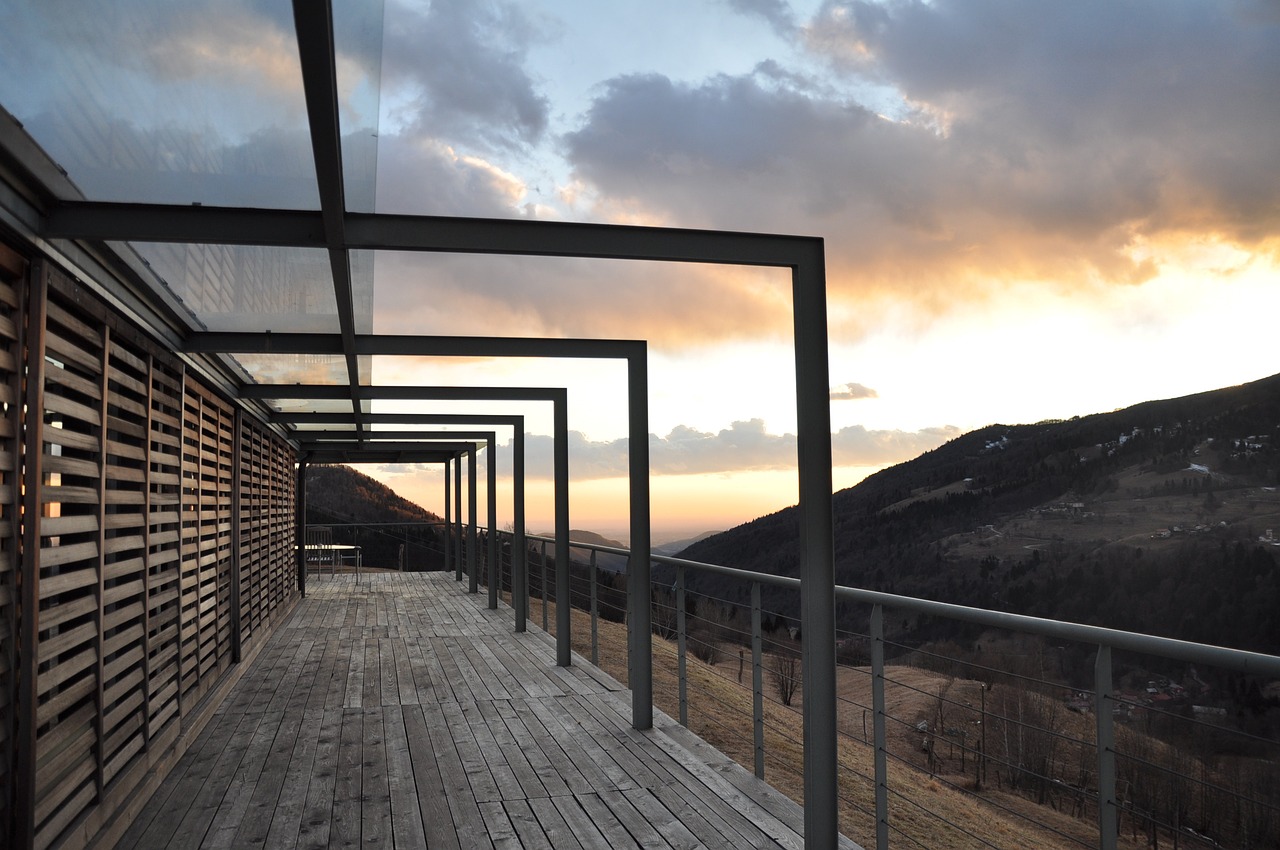
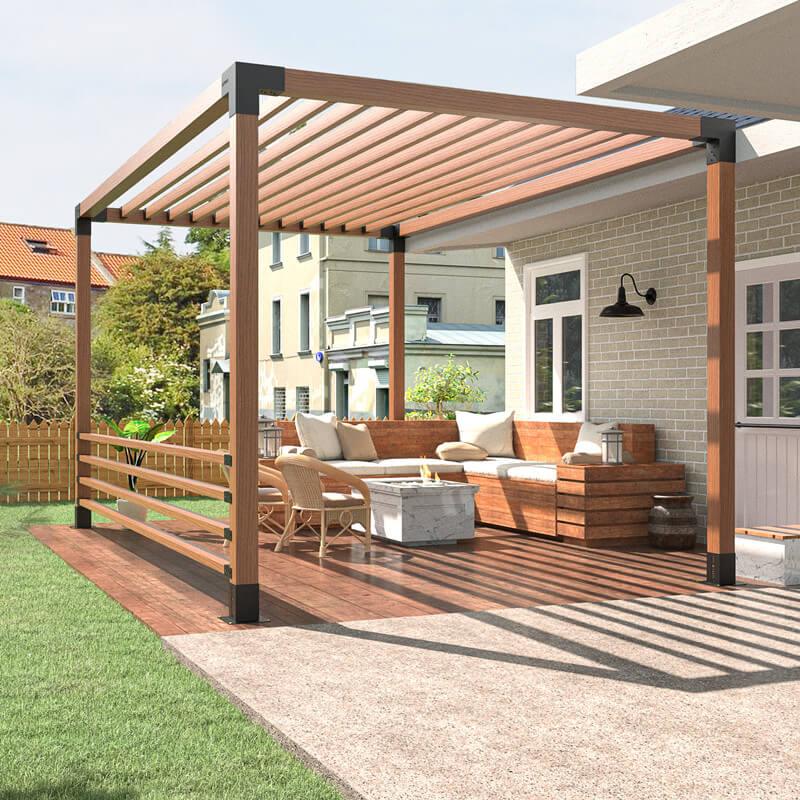

Steel pergolas remain a top choice when structural strength, long spans, and bold architectural character are priorities. While aluminium and timber each have advantages, steel can outperform both in certain use cases. This guide explains where steel shines, where caution is needed, and how to plan for long-term performance in Australian conditions.
What Is a Steel Pergola?
A steel pergola uses structural steel elements for posts, beams, and roof framing. Common variants include galvanized steel, powder-coated steel, and systems integrated with Colorbond-compatible roof components.
Steel is often selected when design intent includes long clean spans, industrial character, or higher loading requirements.
Why Homeowners Choose Steel: Strength and Span Capacity
Steel's major advantage is structural performance. It can support larger spans with fewer intermediate posts in many designs, enabling cleaner circulation and less visual clutter.
This makes steel useful for larger entertaining areas, integrated outdoor kitchens, and sites where wind exposure demands robust framing.
When Steel Is Better Than Aluminium
Steel can be preferred where high structural demand, heavier roof systems, or stronger visual framing are required. Aluminium may still be preferable for low-maintenance lightweight projects.
The decision should be based on structural requirements, design goals, and environmental exposure rather than material preference alone.
- Large unsupported span goals
- Industrial or architectural statement aesthetics
- Heavier roof and service integration
- Higher wind or load demands
Trade-Offs: Weight, Corrosion Risk, and Upfront Cost
Steel is heavier and can involve more complex handling and installation logistics. Without proper protective systems, corrosion risk can increase, particularly in harsher exposure conditions.
Initial costs may be higher in some projects, though lifecycle value can remain strong when specification and maintenance are handled correctly.
Galvanization and Zinc Protection Explained
Galvanization adds zinc protection to help resist corrosion. Protective systems and coating quality play a major role in long-term steel performance.
Specification should reflect project location, especially for coastal or high-exposure environments.
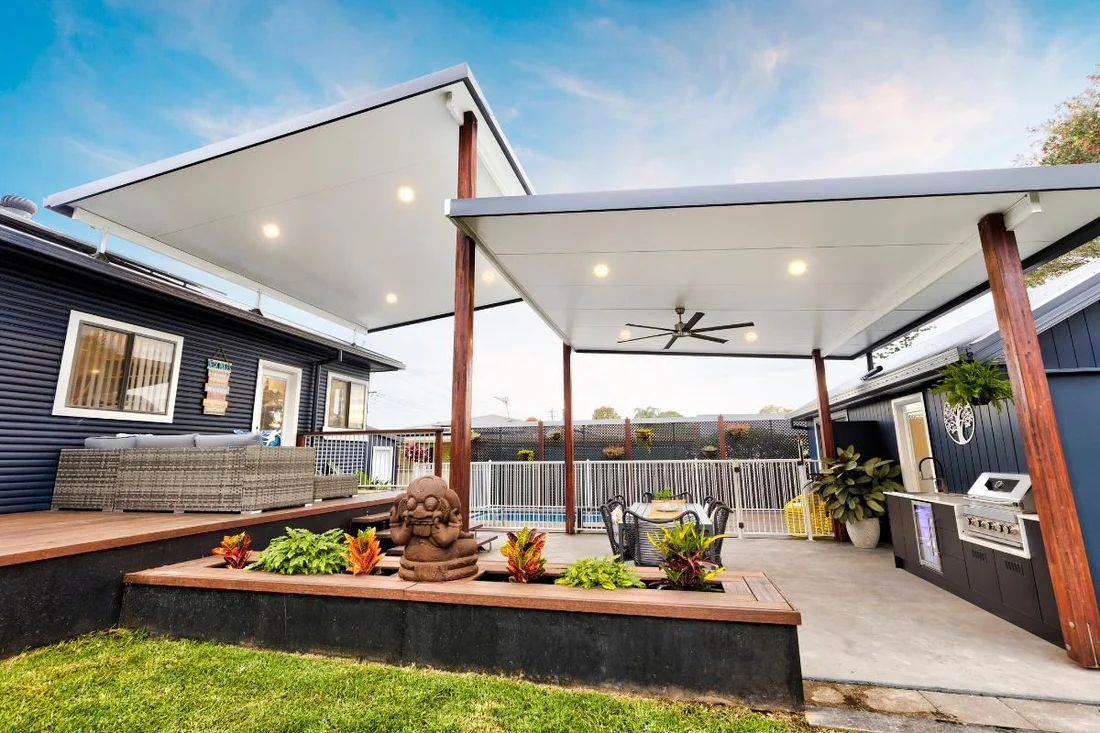
Steel Pergola Styles: Industrial to Modern Loft
Steel supports a range of aesthetics, from exposed industrial language to cleaner modern loft styles. Color and section profile choices can shift steel from heavy to refined visual outcomes.
Pairing steel with timber accents can soften appearance while preserving structural identity.
Maintenance and Recoating Considerations
Maintenance needs depend on finish system and exposure conditions. Periodic inspection of coating integrity, joints, and moisture-prone points helps prevent larger issues.
Recoating intervals vary by environment and finish quality. Near-coastal sites may require closer monitoring.
Australian Climate Suitability
Steel can perform very well inland and in many suburban settings with proper specification. In more corrosive coastal contexts, material and finish decisions require additional care.
Material selection should be made with local exposure realities in mind, not generic assumptions.
For coastal projects, verify protective specification with qualified professionals before final procurement.
Key Takeaways
- Steel is a strong choice for span capacity and structural confidence.
- It can outperform aluminium in high-load or large-format projects.
- Protective specification and maintenance are critical for long-term performance.
- Climate and exposure conditions should drive final steel detailing decisions.
Frequently Asked Questions
Ready for your pergola project?
Get a free quote and practical guidance from experienced pergola builders serving Sydney.
Get a free quote