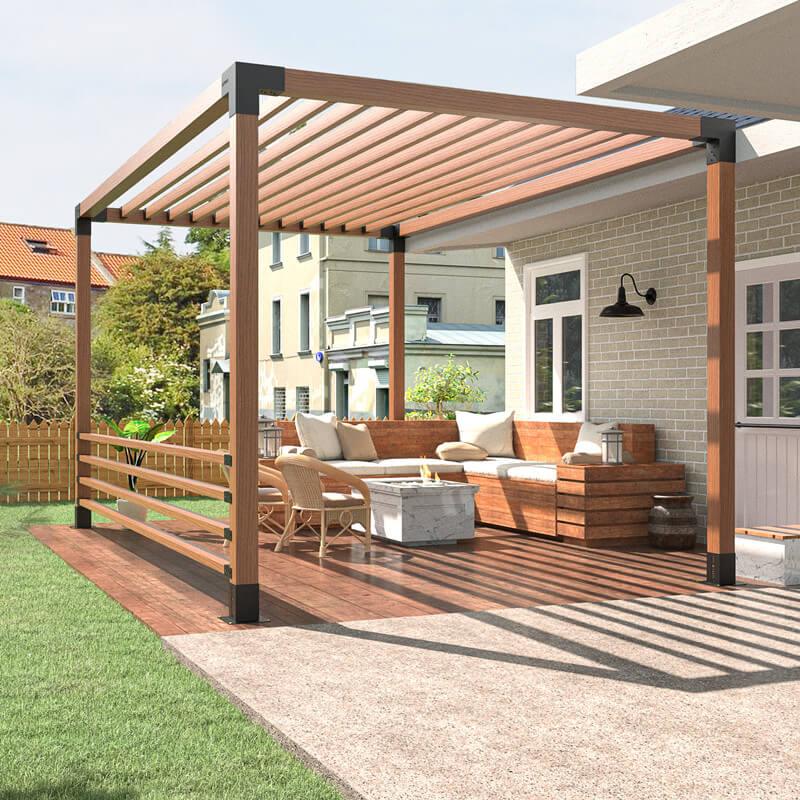
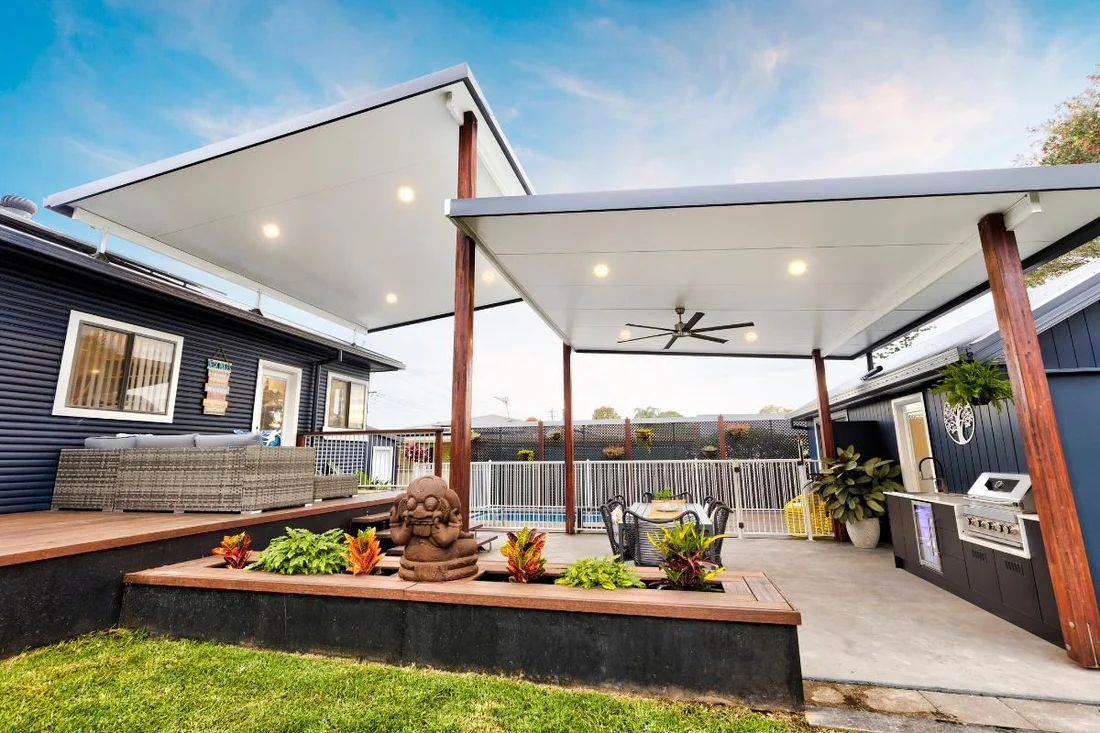
Colorbond is one of the most recognized roofing materials in Australia, and it is widely used in pergola projects for practical reasons. From weather durability to finish consistency, Colorbond-based systems have become a common benchmark for outdoor roofing performance. This guide explains how Colorbond is used in pergolas, how to choose colors and finishes, and what to review before installation.
What Is Colorbond?
Colorbond is a pre-painted steel product associated with Australian outdoor building applications. It is commonly selected for roofing systems due to durability, finish quality, and familiarity in local construction workflows.
In pergola projects, it is often used as a roofing solution and sometimes as part of broader structural detailing.
Why Colorbond Is Widely Trusted for Pergola Roofing
Colorbond is popular because it aligns with local weather demands and offers a broad palette that integrates with Australian residential architecture. It is often chosen where owners prioritize practical long-term use over purely decorative outcomes.
Its established adoption also means contractors and suppliers are generally experienced with detailing and installation pathways.
How Colorbond Is Used in Pergolas
Typical uses include roof panels, trims, fascia details, and integration with supporting structures. In some projects, Colorbond-compatible systems are used across multiple components for visual consistency.
It can be paired effectively with timber or aluminium frameworks depending on design goals.

Colour and Finish Selection: Classic, Matt, and Ultra
Color strategy should respond to house palette, heat behavior goals, and visual intent. Lighter tones can help with reflectivity goals, while darker tones can emphasize architectural contrast.
Finish category selection should also consider exposure and maintenance preferences.
Thermal Performance and Reflectivity Considerations
Roofing performance in Australian sun is a major decision factor. Reflectivity-related considerations can influence comfort outcomes beneath pergola spaces, especially in afternoon heat.
Overall thermal behavior also depends on ventilation strategy, roof configuration, and whether insulation is integrated.
Durability and Warranty Expectations
Durability performance depends on environment, installation quality, and maintenance. Warranty pathways should be reviewed in detail for the exact product and exposure context.
Treat warranty as part of a broader lifecycle plan rather than a substitute for good detailing and maintenance.
Request product-specific documentation and exposure suitability during specification.
Installation: Panel Systems and Insulated Options
Panel-based installations can support efficient build workflows when designed and installed properly. Where higher comfort is needed, insulated roof options may be considered as part of the pergola package.
Installation sequencing should account for drainage, flashing, and interface details with adjacent structure.
Integrating Colorbond with Timber or Aluminium Structures
Colorbond roofing can pair effectively with timber for warmth or with aluminium for cleaner contemporary profiles. Integration success depends on proportion, color strategy, and detailing discipline.
Mixed-material builds can deliver strong outcomes when one design language remains dominant.
Roofing and structural integration details should be reviewed by qualified professionals before construction.
Key Takeaways
- Colorbond is a widely trusted roofing pathway for Australian pergola projects.
- Color and finish choices should balance aesthetics and thermal behavior goals.
- Roof performance depends on system design, not material label alone.
- Colorbond can integrate well with both timber and aluminium structures.
- Quality detailing and product-appropriate installation are critical to long-term outcomes.
Frequently Asked Questions
Ready for your pergola project?
Get a free quote and practical guidance from experienced pergola builders serving Sydney.
Get a free quote