Roof choice is one of the most important pergola decisions because it shapes comfort, weather usability, and maintenance long after construction. This guide compares the main pergola roof ideas used across Australian homes, including open and fully covered options. If you are balancing shade, ventilation, rainfall protection, and budget, this decision-focused overview will help you choose with confidence.
Main Pergola Roof Options
Most roof concepts fit into eight practical categories. Each performs differently in sun, rain, and day-to-day use.
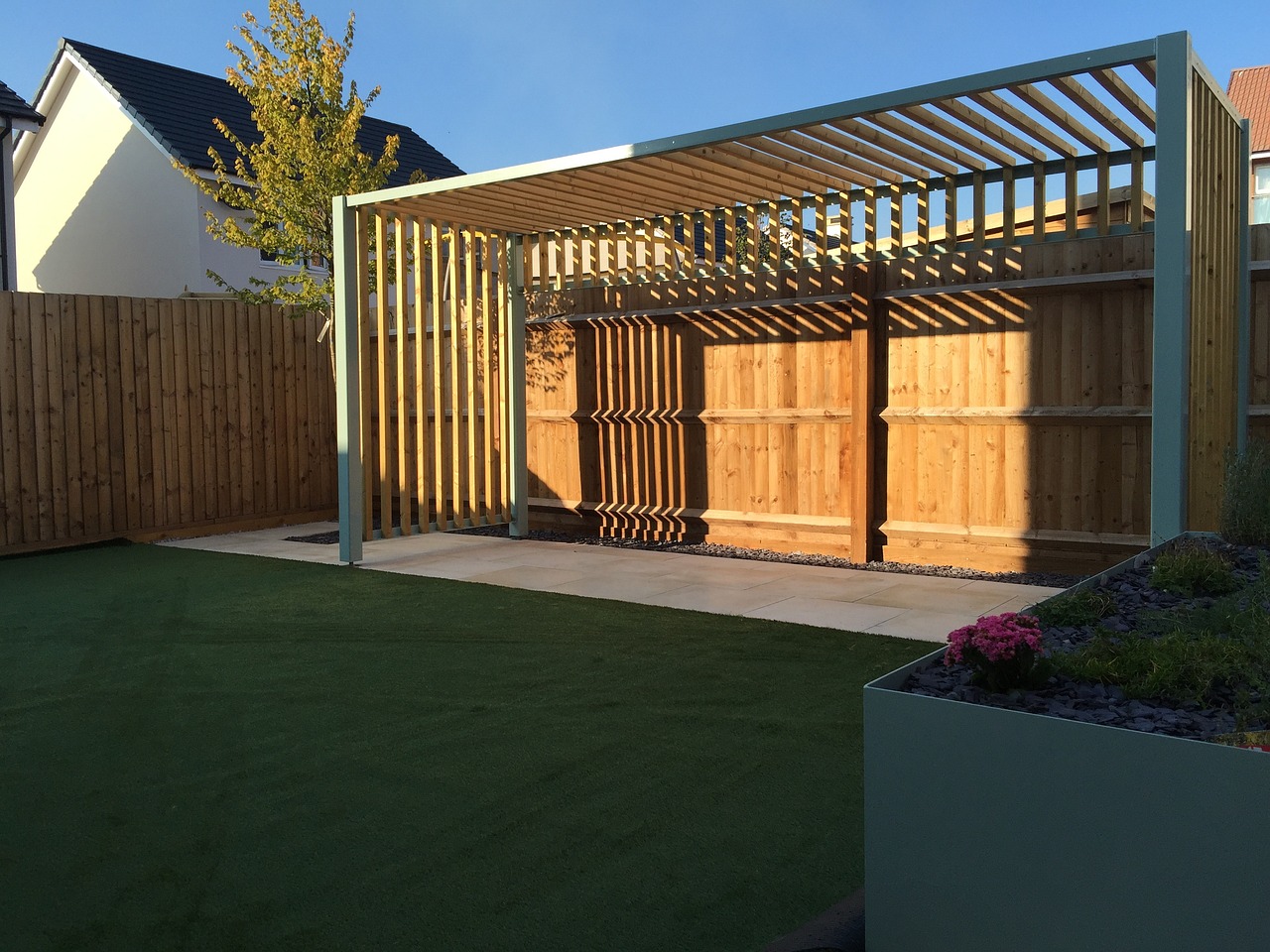
- Open beams / slatted roofs
- Adjustable louvered roofs
- Polycarbonate roofing
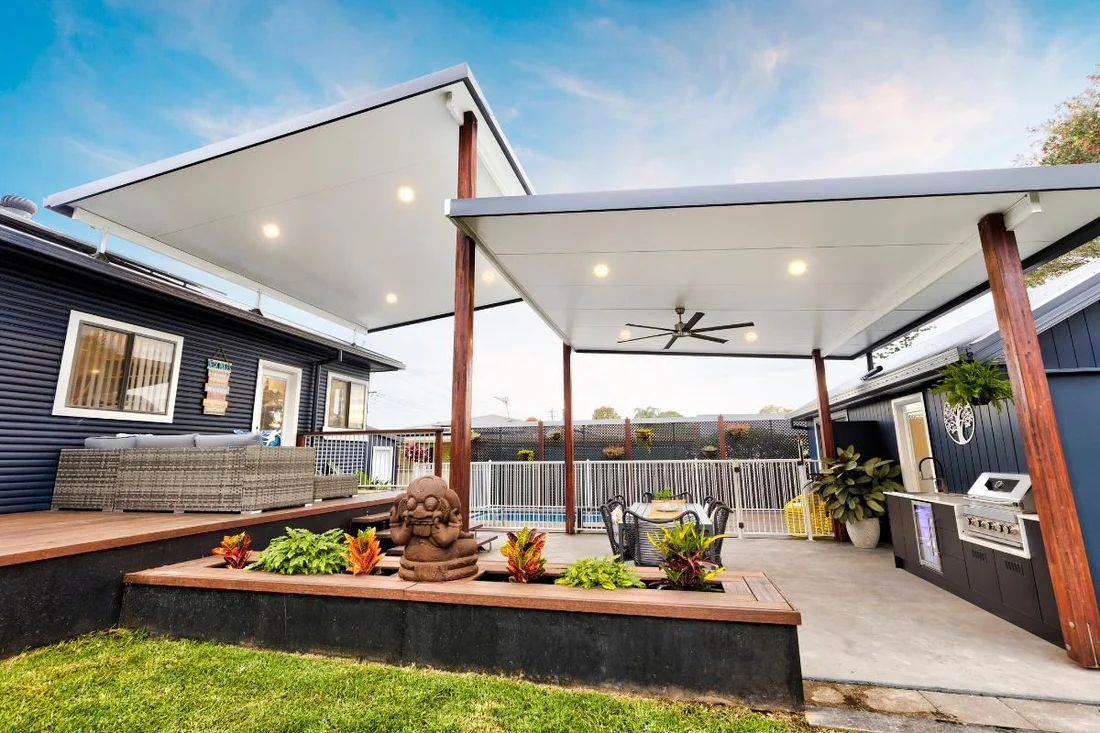
- Colorbond or metal roofing
- Flat roof profiles
- Gable roof profiles
- Curved roof profiles
- Retractable roof systems
Pros and Cons in Australian Conditions
Open and slatted systems preserve airflow and light but offer limited rain protection. Covered metal and insulated systems improve all-weather use but can reduce openness if not designed carefully.
Louvered and retractable solutions provide flexibility but involve higher complexity and component quality considerations.

Choosing Roof Type by Intended Use
If your main goal is occasional shade, open or partially covered systems may be enough. For year-round entertaining, stronger weather protection is often worth prioritizing. For mixed use, adaptive systems can deliver balance if budget allows.
- Shade-first use: slatted or light-filtering systems.
- All-weather use: insulated or robust covered roofing.
- Flexible entertaining: louvered or retractable systems.
Drainage and Maintenance Considerations
Roof performance depends on drainage detailing as much as material choice. Ensure falls, water paths, and collection points are planned early. Maintenance access should also be considered in design stage, especially for moving systems and leaf-prone sites.
A well-detailed drainage strategy often improves long-term roof satisfaction more than premium finishes alone.
Compatibility with Freestanding and Attached Pergolas
Most roof types can be adapted to attached or freestanding structures, but some are easier to execute in one format than the other. Attached systems need careful house interface details; freestanding systems require robust independent load paths.
Confirm structural suitability for your chosen roof type with qualified design and installation professionals.
Key Takeaways
- Roof type is the strongest driver of pergola comfort and weather usability.
- Open, covered, and adaptive systems each have distinct trade-offs.
- Choose based on real use case, not just visual preference.
- Drainage and maintenance planning are essential for long-term performance.
- Most roof types can work in attached or freestanding formats with correct detailing.
Frequently Asked Questions
Ready for your pergola project?
Get a free quote and practical guidance from experienced pergola builders serving Sydney.
Get a free quote