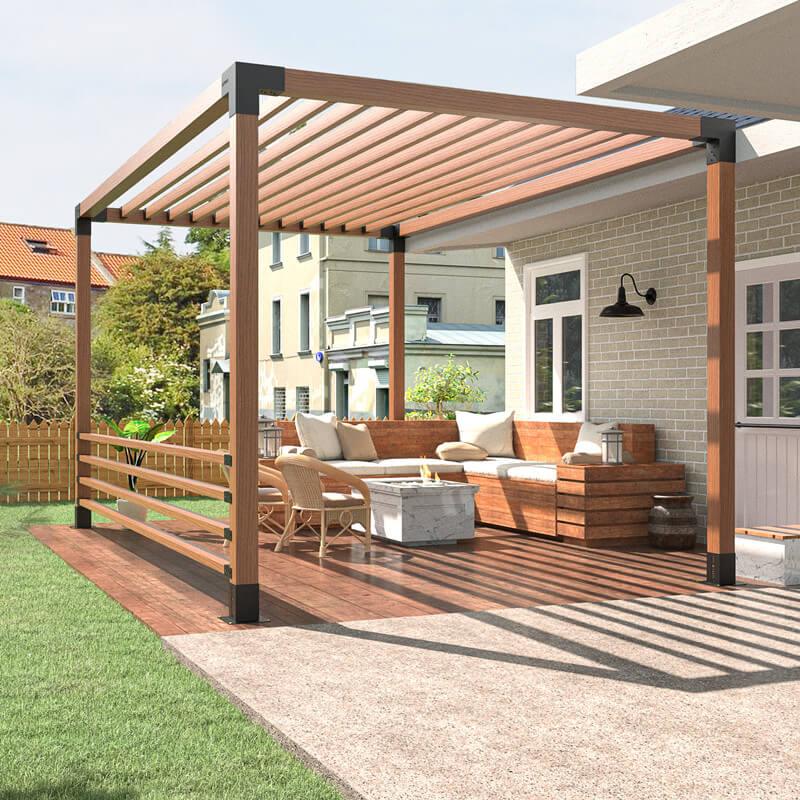
Aluminum pergolas have become one of the most searched outdoor structure options because they combine modern aesthetics with practical ownership. For many homeowners, aluminum hits the sweet spot between durability and maintenance simplicity. This guide explains where aluminum performs best, what limitations to consider, and how it compares with steel and timber.
Why Aluminum Is Popular in Modern Pergolas
Aluminum supports clean design language and low-maintenance ownership. It does not rust like untreated steel, and it can be manufactured in profiles that suit contemporary architecture.
Its lightweight nature can also simplify transport and installation logistics in many residential projects.
Key Benefits: Anti-Rust, Lightweight, Low Maintenance
For many climates, aluminum offers strong corrosion resistance and reduced maintenance load compared with some alternatives. Powder-coated finishes provide broad aesthetic flexibility while helping with durability.
Additional strengths include recyclability and generally efficient thermal behavior when compared with darker heavier materials in direct sun.
- Corrosion resistance
- Low routine maintenance
- Contemporary aesthetic flexibility
- Lightweight handling and installation advantages
- Recyclable material profile
Popular Aluminum Pergola Styles
Aluminum works especially well in louvered systems, flat roof profiles, and minimalist indoor-outdoor transitions. It is frequently used in projects where owners want sharp lines and unobtrusive structural expression.
Powder Coating and Finish Options
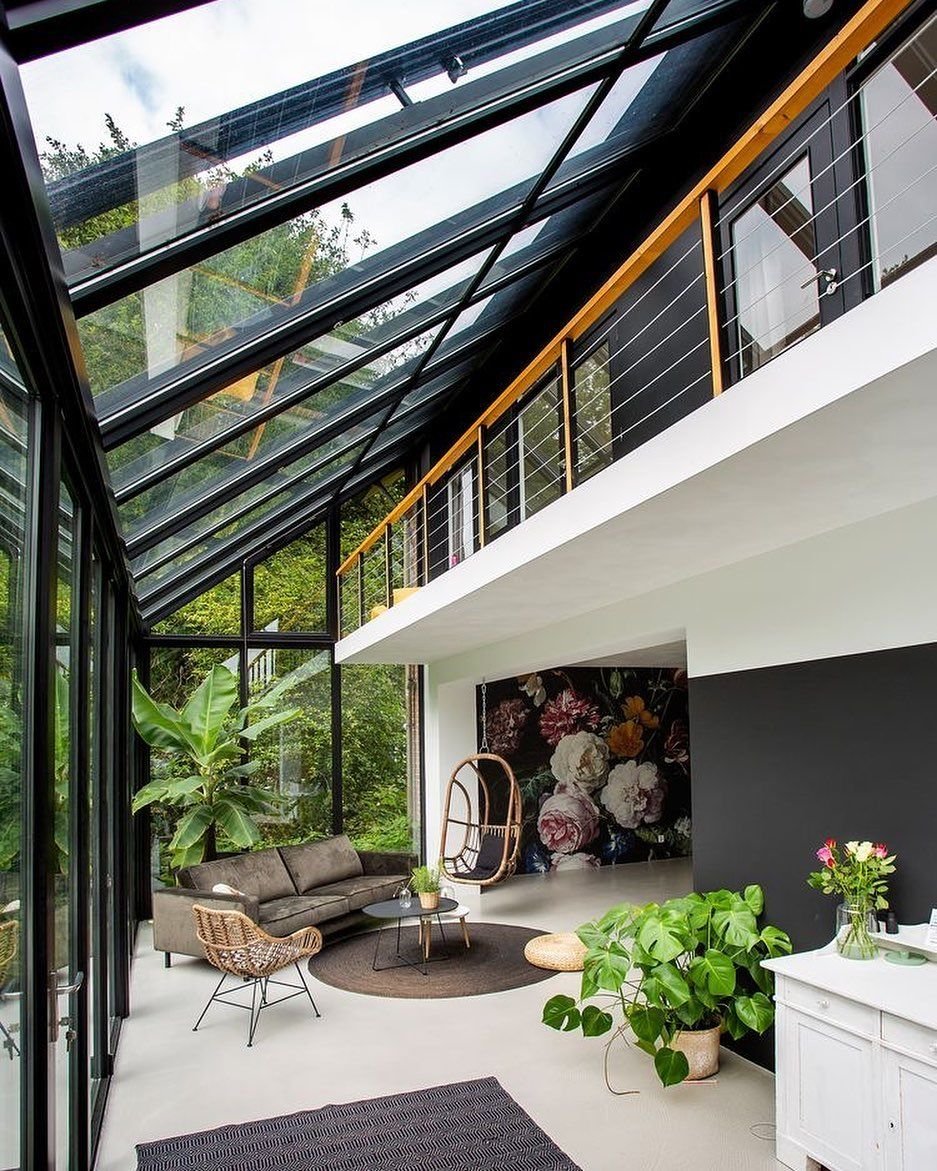
Powder coating allows durable color finishes and helps aluminum perform in exposed conditions. Finish selection should consider UV behavior, heat response, and how the pergola palette integrates with house materials.
Lighter finishes can reduce visual heat loading, while darker tones can emphasize modern contrast if well balanced.
Real Limitations to Understand
Aluminum is strong for many uses, but it has limits. Heavy climbing plants can impose loads that require careful review. Impact dents can also occur in some conditions. These are manageable with correct specification and detailing.
Material selection should always match intended use and structural expectations.
Installation Speed vs Steel and Timber
Many aluminum systems can be installed efficiently due to prefabrication-friendly workflows and lighter component handling. Steel can require heavier handling and additional protection detailing. Timber can require more finishing stages depending on specification.
Actual project timing still depends on site access, design complexity, and approval pathways.
Quick Comparison: Aluminum vs Other Materials
Aluminum is often preferred for low-maintenance modern living. Steel is often chosen for span strength and industrial character. Timber is chosen for natural warmth and organic aesthetic. There is no universal winner - only project-fit decisions.
If you prioritize minimal upkeep and modern lines, aluminum is often a strong starting point.
Key Takeaways
- Aluminum pergolas combine modern style with practical maintenance advantages.
- Corrosion resistance and lightweight handling are major performance strengths.
- Powder-coated finishes offer flexibility but should be chosen with climate in mind.
- Aluminum has limits for heavy loading contexts and should be specified correctly.
Frequently Asked Questions
Ready for your pergola project?
Get a free quote and practical guidance from experienced pergola builders serving Sydney.
Get a free quote