If you have searched "what is a pergola" and found conflicting answers, you are not alone. Some homeowners picture an open timber frame over a deck, while others expect a fully roofed outdoor room. In practice, a pergola can include many forms, from classic open-beam structures to modern systems with insulated roofing, depending on design goals and local requirements. This guide explains what a pergola is, how it differs from similar structures, and what Sydney homeowners should consider before building one.
What is a Pergola? Definition and Origin
A pergola is an outdoor structure made from vertical posts that support beams or a roof element, creating a defined area for shade, dining, entertaining, or general outdoor living. In older designs, pergolas were often open overhead with rafters that filtered light. Today, the term also covers attached and freestanding structures with different levels of weather protection, including louvered or insulated roof options.
The word "pergola" traces back to Italian and Latin roots associated with projecting structures and covered walkways. In Roman and later European gardens, pergola-like frameworks supported climbing plants and created shaded paths. Modern Australian pergolas continue that core idea of structure plus comfort, but they are typically designed for lifestyle functionality as much as aesthetics.
The key point is that a pergola is not just decoration. A well-planned pergola can extend usable living space, improve comfort in hot weather, and provide a practical transition between your home interior and backyard.
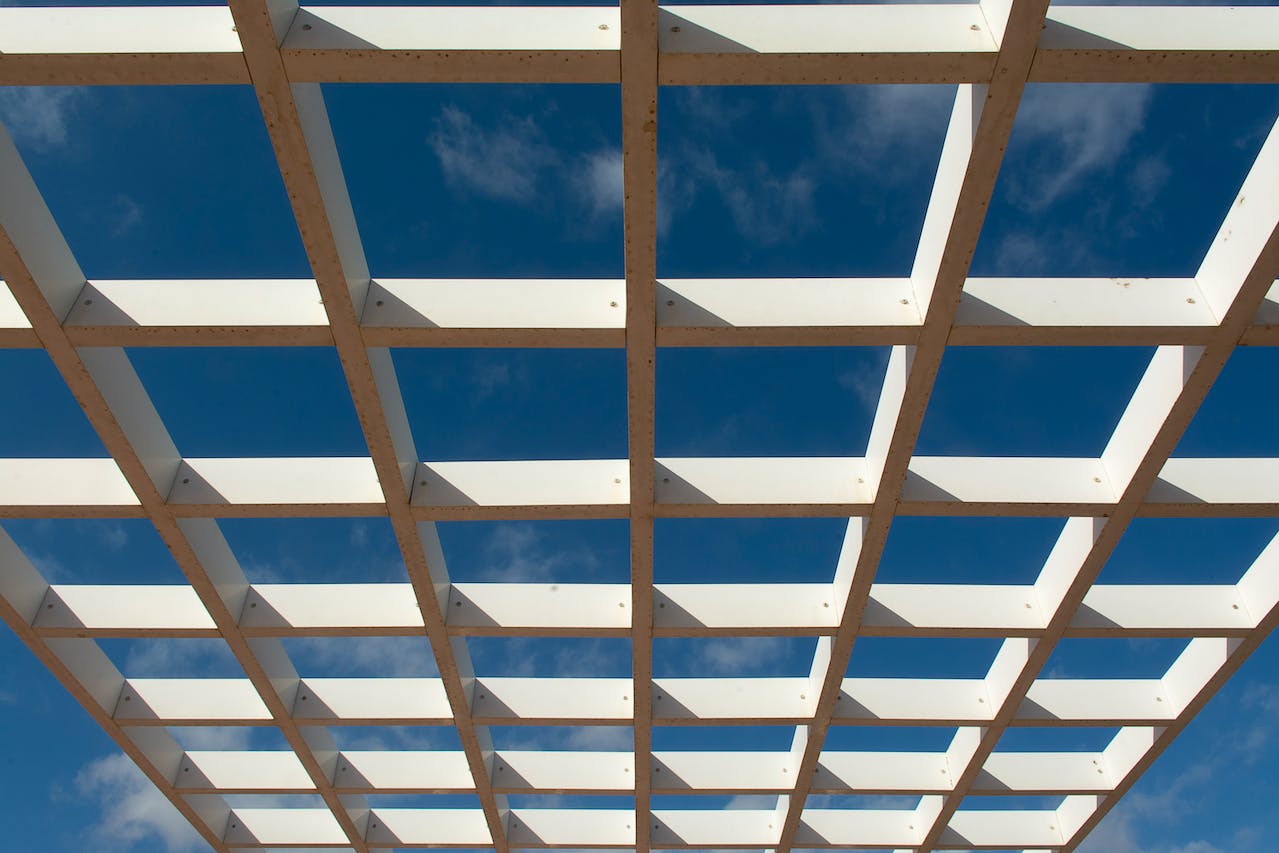
Pergola vs Gazebo vs Patio Cover vs Arbour
These terms are often used interchangeably, but they describe different structures and use cases. Choosing the right option becomes easier when you compare purpose, roof style, and scale.
- Pergola: Usually post-and-beam based, can be attached or freestanding, and may be open, partially covered, or fully roofed depending on design.
- Gazebo: Typically freestanding with a full roof and often a more enclosed shape, commonly used as a focal point in gardens.
- Patio cover: Usually attached to the house and designed primarily for weather protection over paved or decked outdoor areas.
- Arbour: Smaller decorative structure, often used over pathways or garden entrances rather than as a main living zone.
For most Sydney households, a pergola is the most flexible option because it can be tailored for both aesthetics and practical weather use.
Types of Pergolas
Not all pergolas are built the same. The best type depends on where the structure sits, how exposed the site is, and how you want to use the space across different seasons.
Attached Pergolas
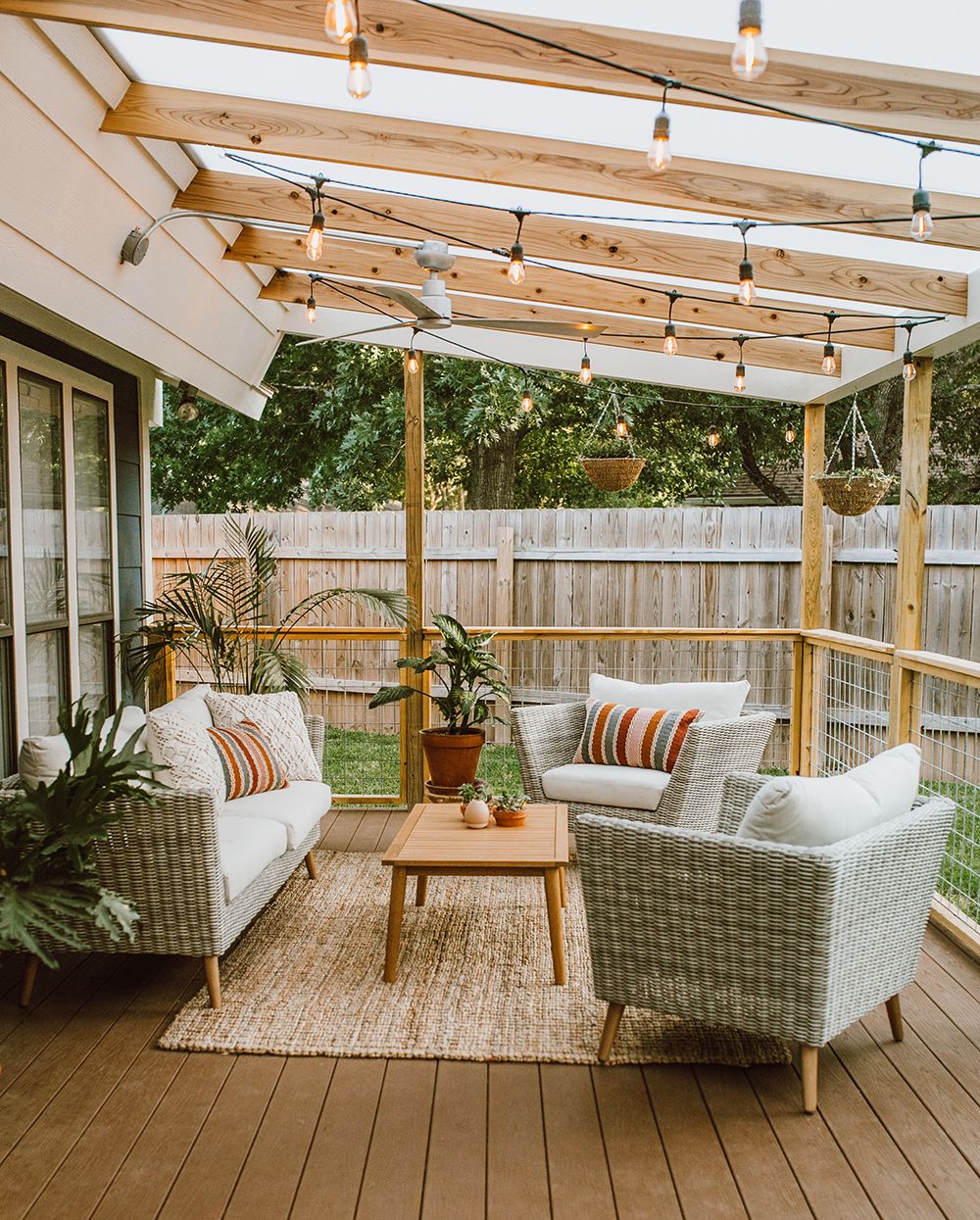
Attached pergolas connect directly to your home and are ideal for extending kitchens, living rooms, or dining spaces into the backyard. They can improve day-to-day usability because movement between indoor and outdoor zones feels seamless.
They are often preferred where space is limited or where homeowners want direct access to covered outdoor dining. Structural detailing at the house connection point is important for long-term performance.
Freestanding Pergolas
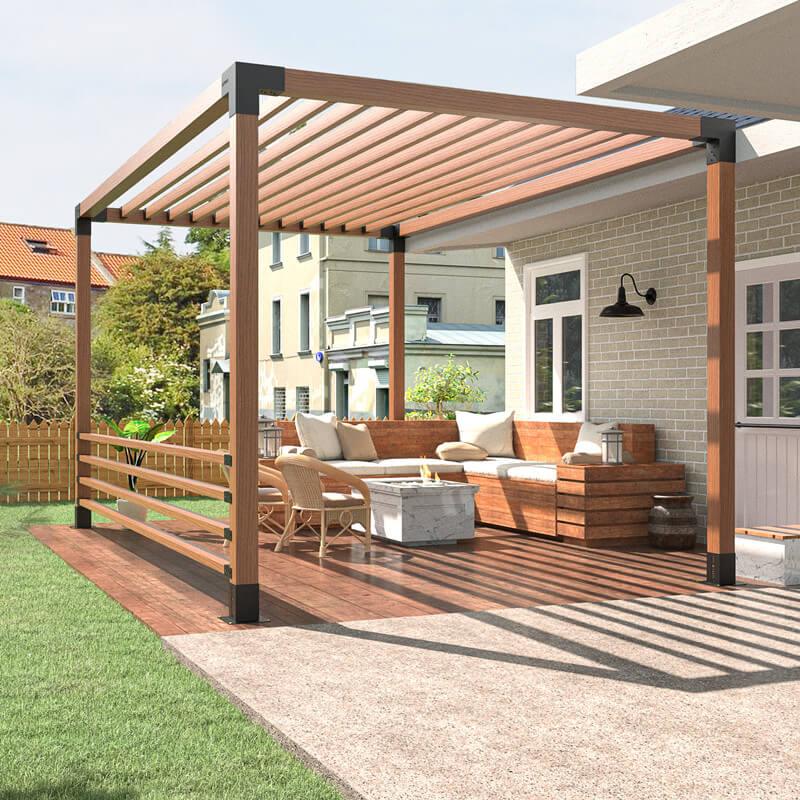
Freestanding pergolas are independent structures that can be positioned anywhere suitable on the property. They work well over pools, in garden zones, or as separate entertaining areas away from the house.
This option gives design freedom, especially when you want to create a destination space rather than simply extending an existing patio area.
Louvered Pergolas
Louvered pergolas use adjustable slats to control sunlight, ventilation, and light rain protection. They are useful where flexibility is a priority, such as outdoor dining spaces used across changing weather conditions.
These systems can provide a premium feel, but they require quality components and careful installation to deliver long-term reliability.
Gable Roof Pergolas
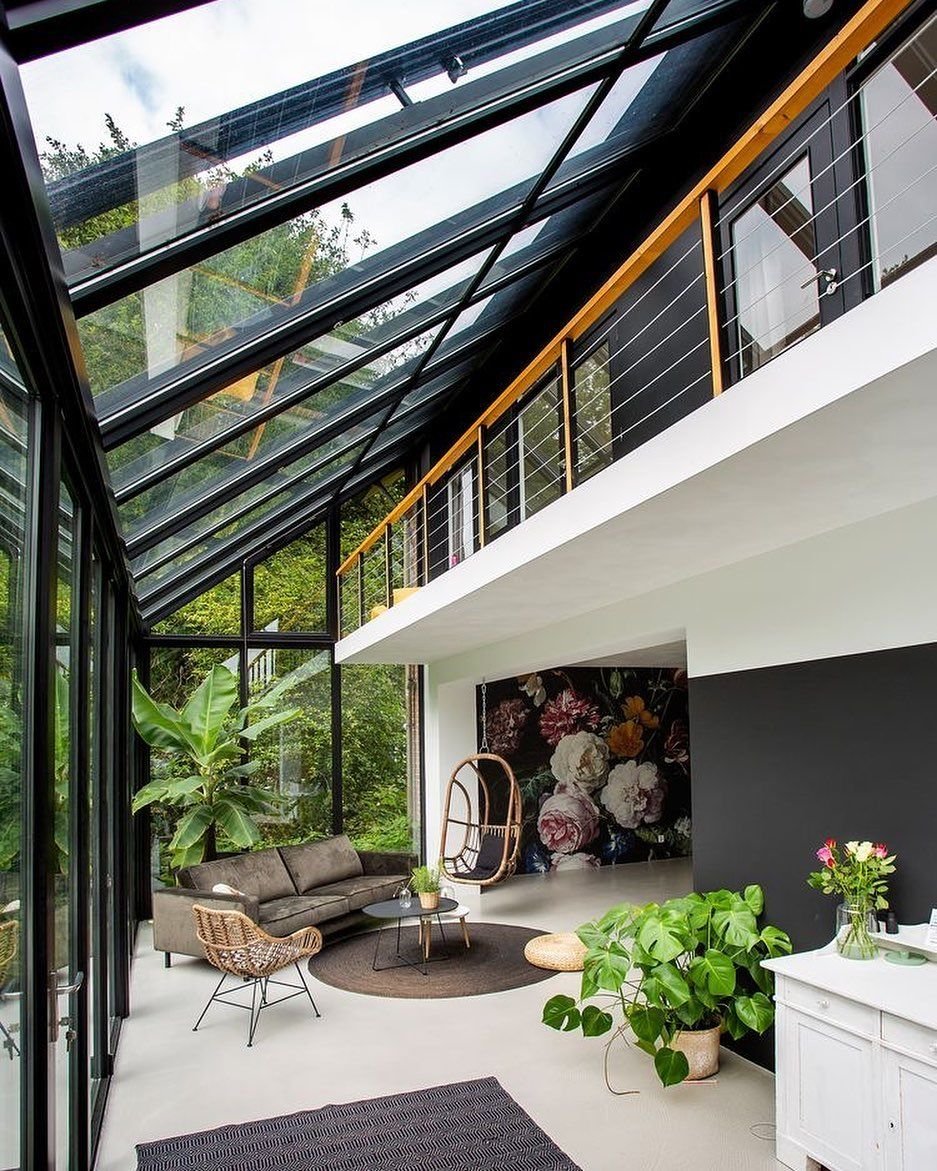
Gable roof pergolas have a pitched roof profile that creates more height and visual impact. They are often chosen for larger outdoor areas where airflow and openness matter.
The pitched design can also support better water runoff, which can be useful in exposed sites.
Flat Roof Pergolas
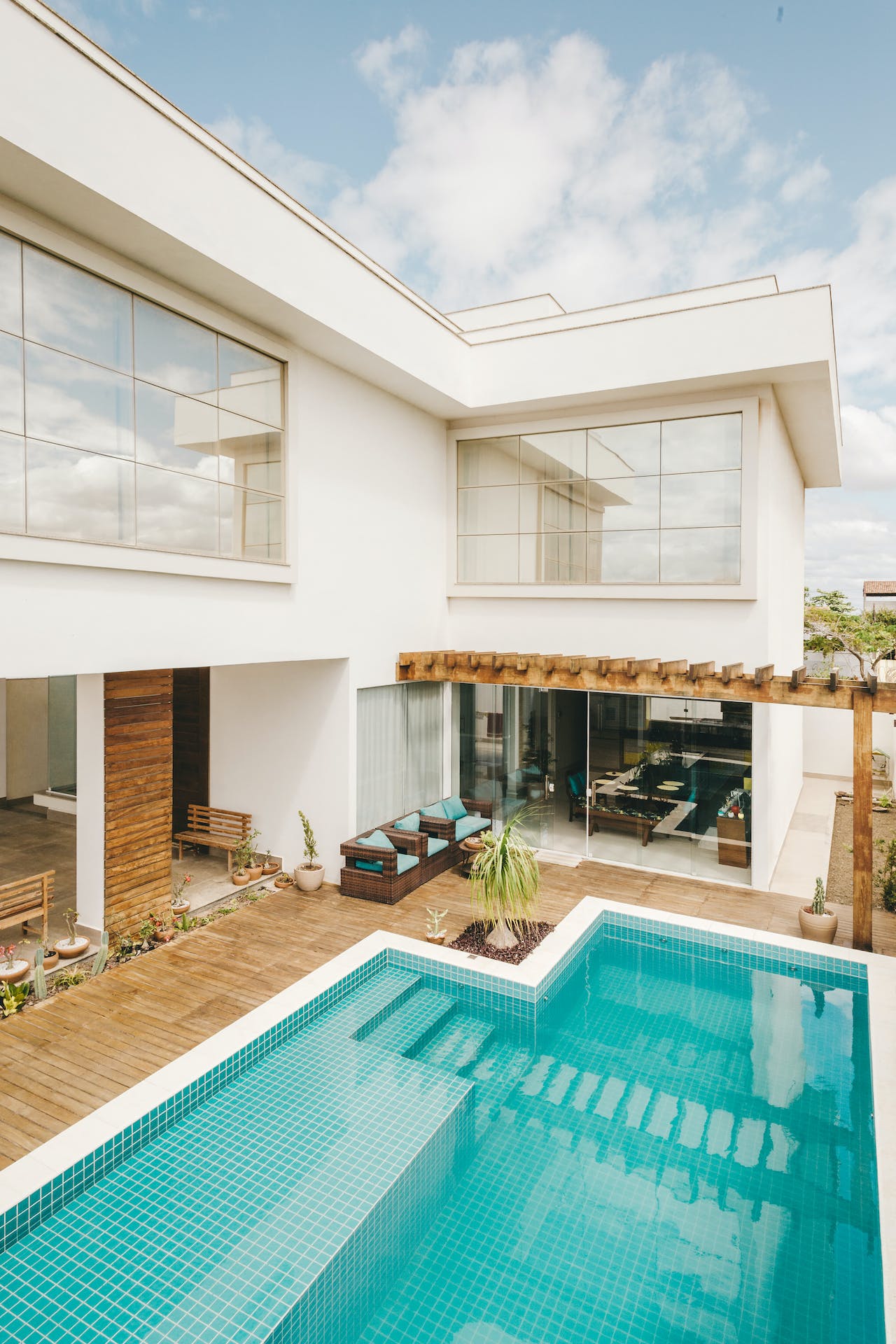
Flat roof pergolas offer a clean, modern look and can suit contemporary home designs. They are popular where homeowners want a minimalist visual style while still improving weather coverage.
As with all roofed options, drainage, fall, and structural detailing should be designed carefully for local conditions.
Common Pergola Materials
Material choice affects maintenance, appearance, structural performance, and budget. In Sydney, climate exposure, coastal conditions, and desired visual style should all be considered when comparing materials.
- Timber: Warm natural appearance and strong character. Requires regular sealing or staining to maintain durability and look.
- Aluminium: Lightweight, low maintenance, and resistant to corrosion. Good fit for modern designs and long-term upkeep simplicity.
- Steel: High strength and suitable for larger spans. Needs quality protective finishes and correct detailing for longevity.
- Colorbond: Durable and practical roofing material used in many pergola systems, especially where weather protection is a priority.
There is no single "best" material for every project. The right choice balances climate, budget, look, and maintenance expectations.
Why Install a Pergola? Benefits
Homeowners install pergolas for both lifestyle and property reasons. A well-designed pergola does more than provide cover; it can reshape how your household uses outdoor space throughout the year.
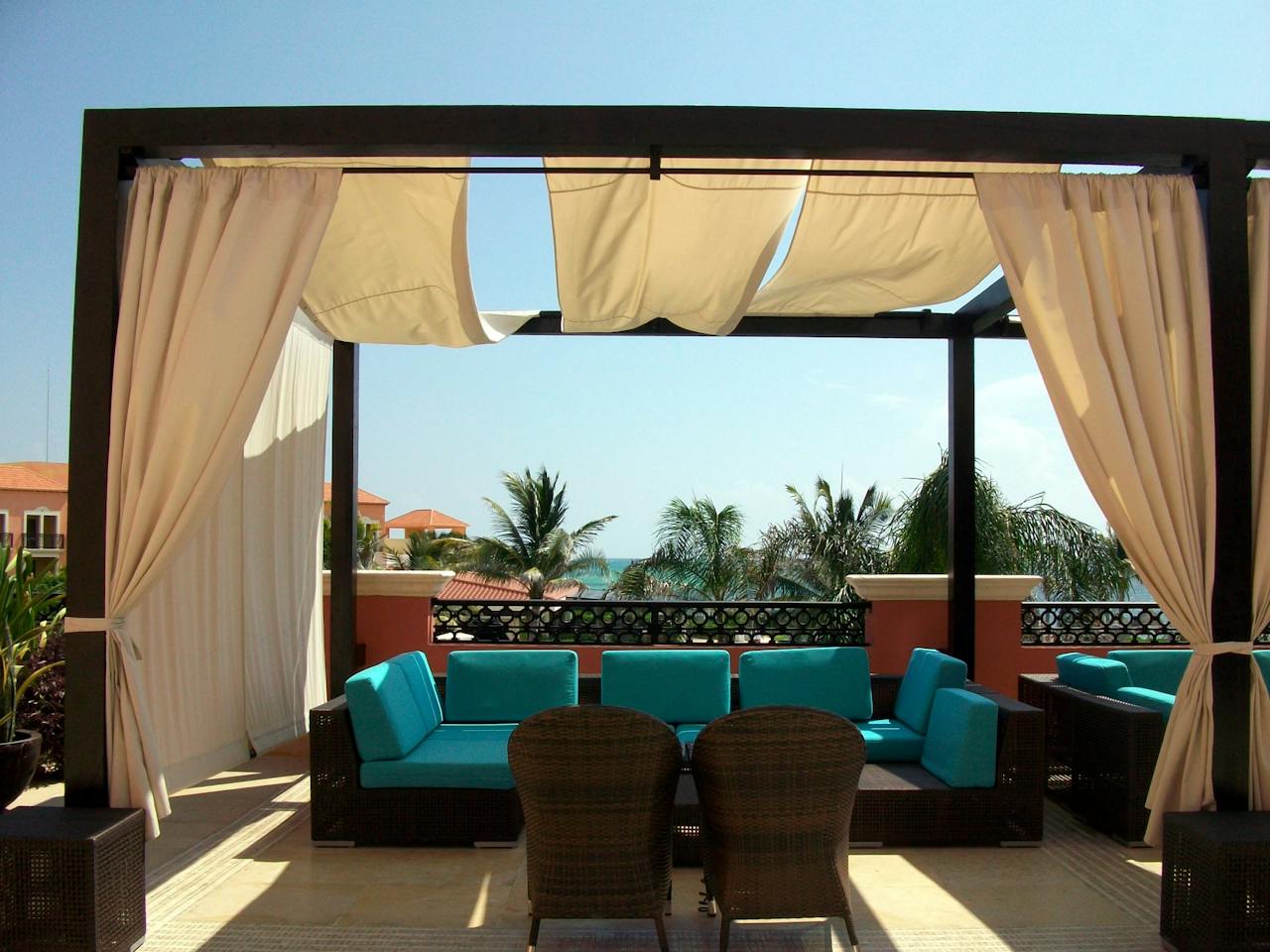
- Improves shade and weather comfort so your outdoor area is usable more often.
- Creates a defined entertaining zone for family meals and gatherings.
- Enhances visual appeal and gives structure to open backyard areas.
- Can increase perceived property value when integrated well with the home.
- Supports flexible upgrades like lighting, fans, screening, and heating.
Do You Need Council Approval in NSW?
Approval requirements can vary based on factors such as pergola size, location on the block, connection to the dwelling, and whether the design is open or enclosed. In NSW, some structures may qualify under exempt or complying pathways, while others require formal approval.
Because requirements can differ by council and site conditions, the safest approach is to confirm current rules directly with your local council or a qualified certifier before construction begins.
If you are planning a pergola in Sydney, treat approvals as an early planning step rather than a late-stage checklist item. This helps avoid redesigns, delays, and unexpected costs.
This section is general guidance only. Always verify your specific project requirements with your local council or a qualified professional before building.
How Long Does a Pergola Last?
Pergola lifespan depends on material quality, exposure conditions, workmanship, and ongoing maintenance. Well-built pergolas can last for many years, but performance differs by material and location.
Timber pergolas can remain durable long term when regularly maintained and protected from moisture damage. Aluminium and steel systems are often chosen for lower maintenance and structural consistency, especially in demanding environments.
Regardless of material, the most important factors are sound structural design, proper installation, drainage planning, and periodic maintenance checks.
Is a Pergola Worth the Investment?
For many Sydney homeowners, a pergola is a practical long-term improvement because it increases daily usability of outdoor space and improves overall presentation of the home.
Value should not be measured only by immediate resale outcomes. A pergola can deliver strong lifestyle return through better comfort, entertaining capacity, and flexible outdoor use across seasons.
If the design is aligned to your property and built with quality materials, a pergola is often a worthwhile investment in both enjoyment and long-term appeal.
Key Takeaways
- A pergola is a versatile outdoor structure that can be open, partially covered, or fully roofed depending on design goals.
- Choosing between attached, freestanding, louvered, gable, and flat roof styles depends on site layout and how you plan to use the space.
- Material selection should balance aesthetics, maintenance expectations, climate exposure, and budget rather than follow a one-size-fits-all approach.
- Council and approval requirements in NSW vary by project, so always verify with your local council or a qualified certifier before building.
- A well-designed pergola can improve comfort, entertaining, and perceived property value, making it a strong lifestyle investment for many homeowners.
Frequently Asked Questions
Ready for your pergola project?
Get a free quote and practical guidance from experienced pergola builders serving Sydney.
Get a free quoteRelated Posts