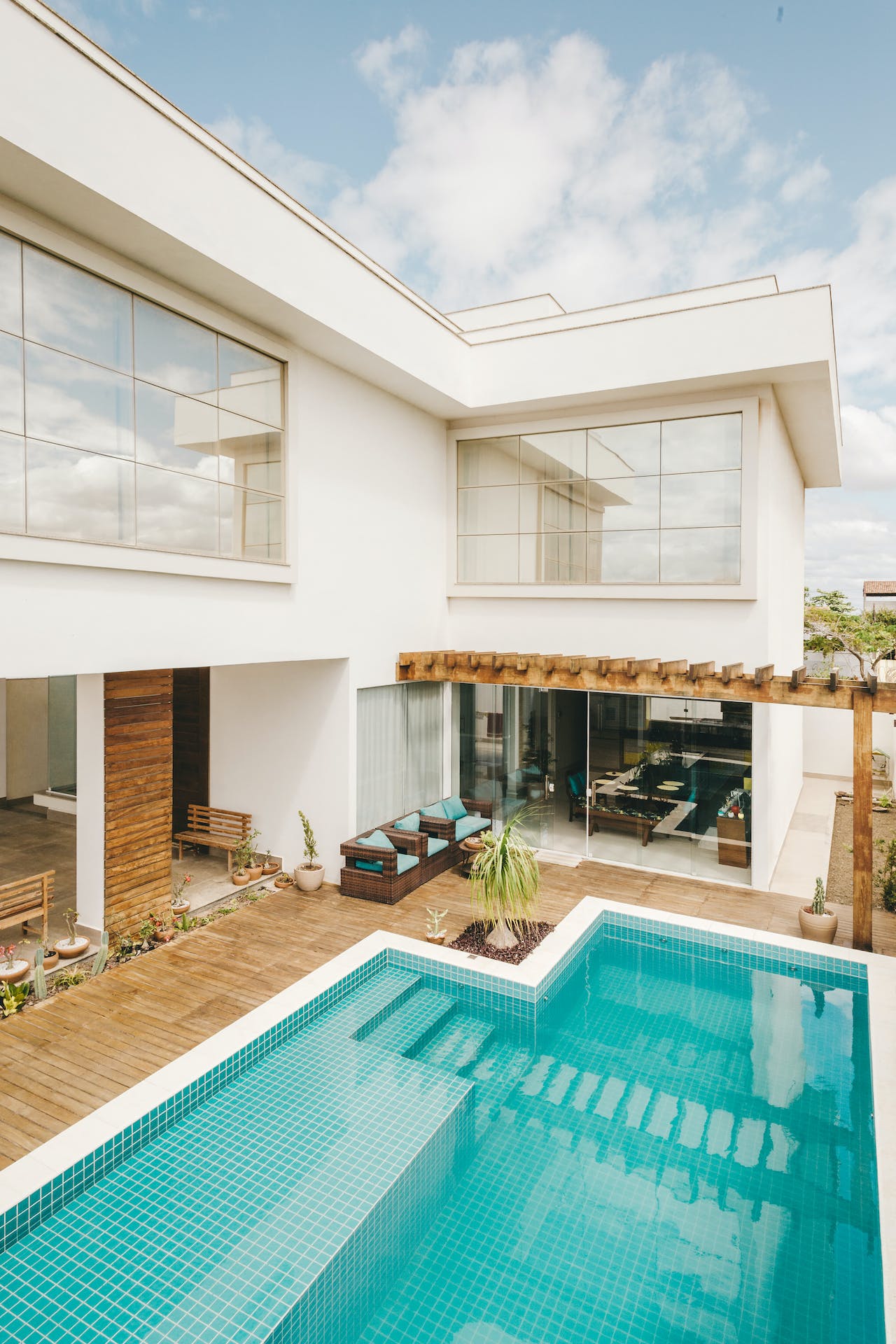
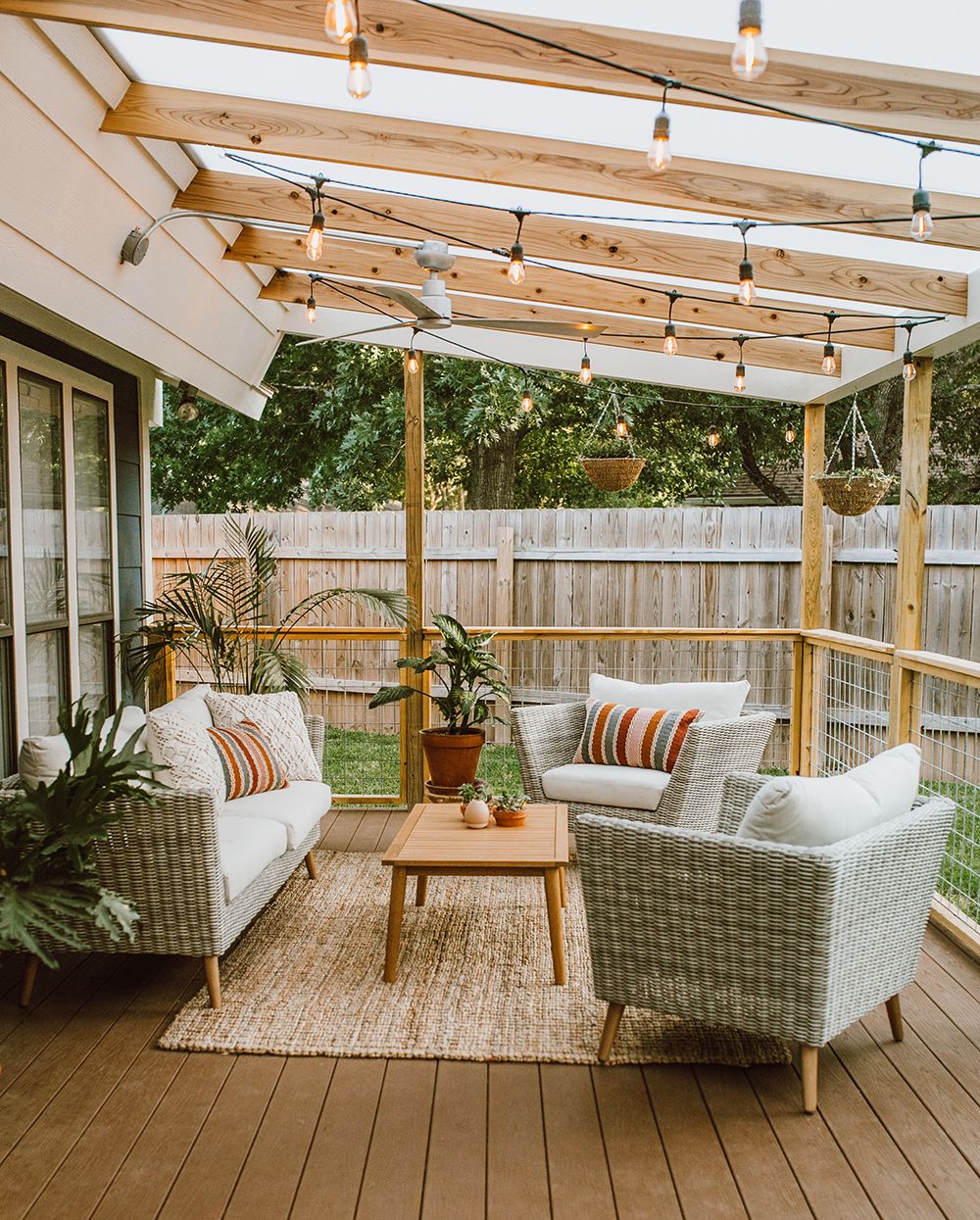
How much does a pergola cost is one of the most common questions homeowners ask, and also one of the easiest to answer badly. There is no single price because pergola projects are shaped by design complexity, materials, site conditions, and scope inclusions. A useful pricing guide should help you understand what drives cost, how to compare quotes correctly, and where quality shortcuts usually appear. This guide uses qualitative pricing tiers so you can budget realistically without relying on invented or outdated fixed dollar figures.
Why There Is No Single Pergola Price
Pergola pricing is not a fixed menu item. Even projects with similar dimensions can differ significantly once structure type, roof system, finishing detail, and installation complexity are considered.
The goal is not finding one universal number. The goal is understanding cost drivers well enough to make informed design and procurement decisions.
Size and Footprint as a Cost Driver
Larger footprints generally require more materials and more labor, but size alone does not define total cost. Shape complexity and span requirements can increase structural demand even in moderate footprints.
When discussing size, include how the space will be used. Right-sizing often delivers better value than simply maximizing area.
Material Choice: Aluminium, Steel, Timber
Material selection influences both initial project cost and long-term maintenance profile. Aluminium systems are often selected for modern appearance and lower maintenance pathways. Steel can support high-strength outcomes and particular aesthetics. Timber provides warmth and natural character with maintenance trade-offs.
There is no universally cheapest or best material once lifecycle considerations are included. The right choice depends on design priorities, exposure context, and ownership expectations.
- Aluminium: modern, low-maintenance orientation
- Steel: strength-focused with robust detailing requirements
- Timber: aesthetic warmth with ongoing care considerations
Roof Type and Mechanism Complexity
Roof systems can shift projects across pricing tiers quickly. Open-beam designs are usually simpler. Fixed roof systems add material and detailing scope. Motorized and retractable systems add mechanical, control, and installation complexity.
If weather adaptability is important, higher-tier roof systems may deliver better value despite premium positioning. If use is occasional, simpler options may be more efficient.
Standard vs Custom Design Complexity
Standardized layouts are often easier to price and deliver. Custom design features, unusual spans, integrated services, or distinctive architectural details can move projects into higher tiers.
Customization can be worthwhile when it solves real site or usage needs. It should be intentional rather than purely cosmetic.
Site Conditions: Access, Slope, Existing Structures
Site constraints often influence cost more than homeowners expect. Limited access, uneven ground, and interface with existing structures can increase preparation, labor, and technical detailing requirements.
A thorough site assessment early in quoting reduces later variations and improves budget confidence.
Add-Ons That Shift Budget Position
Add-ons such as integrated lighting, heating, screens, smart controls, and higher-end finishing packages can move projects from mid-range to premium tiers quickly.
These upgrades are not automatically unnecessary. They should be selected according to expected usage and comfort priorities.
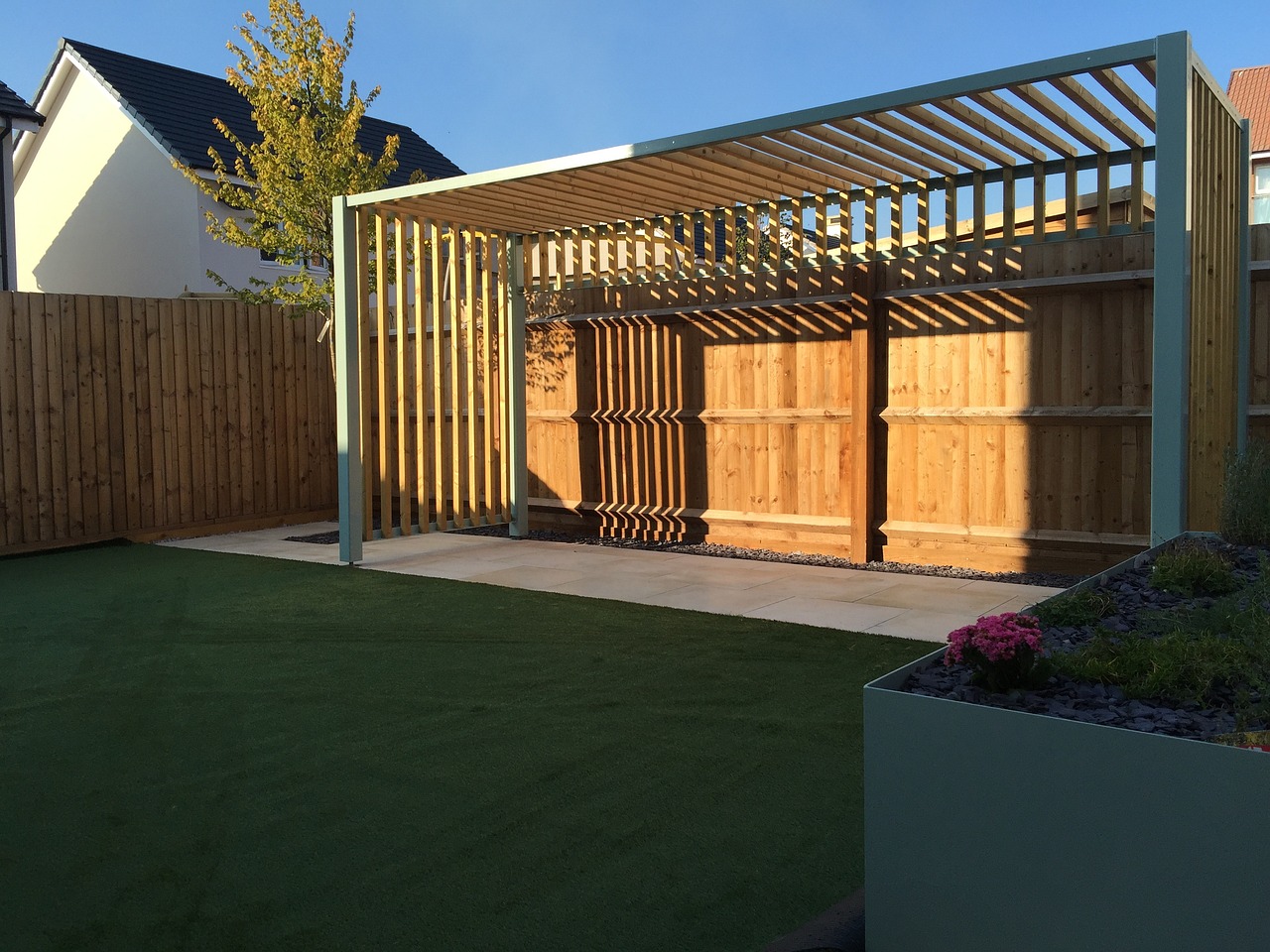
Permits and Engineering Considerations
Some projects require additional documentation pathways, approvals, or engineering inputs depending on scope and site conditions. These factors can influence both timeline and cost profile.
Requirements vary by project specifics and local expectations, so always confirm obligations with local council and qualified professionals.
Approval and documentation requirements are project-specific. Confirm them early to avoid planning delays.
Qualitative Budget Tiers
Instead of fixed dollar brackets, it is often more useful to think in capability tiers. Entry-level projects generally focus on simpler structures and fewer integrated features. Mid-range projects increase finish quality and design refinement. Premium and luxury tiers usually include custom engineering, advanced roof systems, and integrated controls.
This tier view helps homeowners align expectations with desired outcomes without relying on potentially misleading generic price tables.
- Entry-level: simple, functional, cost-conscious scope
- Mid-range: balanced quality, aesthetics, and performance
- Premium: advanced systems and refined detailing
- Luxury: highly customized design with top-tier integration
What a Typical Quote Includes and Excludes
A useful quote should define structure scope, material specification, finish assumptions, installation pathway, and handover expectations. Exclusions should be explicit to avoid misunderstanding.
Comparing quotes without this detail often leads to false economies where lower headline pricing omits critical components.
Suspiciously Low Quotes: What They Often Hide
Very low quotes can indicate missing scope, downgraded materials, unclear compliance pathways, or limited support commitments. They are not always invalid, but they require careful scrutiny.
Ask each builder to explain why their quote differs and request like-for-like scope alignment before making a final decision.
How to Optimize Budget Without Sacrificing Quality
Start by prioritizing must-have outcomes, then stage optional upgrades where possible. Right-sizing footprint, simplifying unnecessary geometry, and selecting durable finishes with sensible maintenance needs can improve value significantly.
Cost optimization is strongest when design decisions are deliberate and performance-driven, not reactive cuts after quoting.
Financing and Long-Term Value Perspective
Some homeowners consider financing options for outdoor upgrades, and availability varies by provider and circumstances. Evaluate financing in context of total project value, repayment comfort, and long-term usage expectations.
A well-designed pergola can improve lifestyle usability and perceived property appeal. Return is often a combination of functional value and market presentation rather than direct one-to-one cost recovery.
Why You Should Request Three Comparable Quotes
Three comparable quotes usually provide enough variation to identify outliers and clarify realistic market position. The key word is comparable: scopes must be aligned before conclusions are drawn.
This approach improves negotiation quality and helps homeowners select based on value and confidence rather than headline price alone.
For accurate pricing, request a personalized quote based on your specific site, design goals, and preferred materials.
Budget Planning Strategy for Better Pricing Outcomes
Budget confidence improves when homeowners separate must-have outcomes from optional upgrades. Start by defining the functions your pergola must deliver, such as shade quality, weather protection level, and seating capacity. Then classify aesthetic enhancements and advanced features as optional layers that can be added when budget allows.
Use early concept conversations to test scope sensitivity. Ask installers which design choices have the biggest impact on pricing movement and where savings can be achieved with minimal performance compromise. This approach helps avoid late-stage redesign driven by cost pressure.
Request pricing in structured components where possible. Breaking scope into core structure, roof system, finishing package, and add-ons gives better visibility into value trade-offs. It also helps homeowners compare proposals more accurately when product pathways differ.
Plan for contingency in projects with uncertain site conditions, access constraints, or complex interfaces. Contingency planning is not pessimism; it is practical risk management that reduces financial stress if variations occur.
When evaluating financing options, consider repayment comfort against expected use frequency and ownership horizon. A pergola that is used heavily can justify stronger investment than one intended for occasional use. Financial decisions should reflect realistic lifestyle value.
Finally, prioritize transparent builders who explain cost logic clearly. Homeowners usually make better decisions when they understand why costs vary. A clear pricing narrative is often a strong indicator of professional project delivery.
How to Review and Negotiate Quotes Professionally
High-quality outcomes depend on pre-install coordination, not just onsite effort. Confirm material lead times, sequencing assumptions, access requirements, and decision checkpoints before work begins. Projects run more smoothly when technical questions are resolved early and scope assumptions are documented clearly.
During installation, quality control should be visible and structured. Ask how key milestones are checked, who signs off critical details, and what happens if site conditions differ from original assumptions. Transparent quality pathways reduce rework risk and build trust throughout delivery.
Handover should include practical documentation, not only visual completion. Homeowners benefit from clear records of what was installed, what maintenance is recommended, and how support requests are handled. This information is especially valuable for systems with moving parts, exposed hardware, or weather-sensitive interfaces.
A project should be evaluated by lifecycle performance, not day-one appearance alone. Durable detailing, service responsiveness, and realistic maintenance expectations are the foundations of long-term value. When these are addressed properly, the space remains usable and reliable across seasons.
If any part of the process feels unclear, pause and request clarification before proceeding. Good installers welcome informed questions and can explain technical decisions in practical language. Early clarity usually prevents later disputes and helps homeowners feel confident in the finished result.
Practical Next Steps Before You Commit
Before signing any agreement, consolidate your priorities into a short decision brief that includes intended usage, comfort expectations, design direction, and maintenance tolerance. This one-page brief helps installers align recommendations and reduces the chance of late-stage scope drift. It also makes quote comparison clearer because each provider is responding to the same core goals.
Then request a structured proposal review meeting instead of relying on email exchanges alone. Live review allows you to test assumptions, clarify exclusions, and confirm who is responsible for each technical element. Many project misunderstandings happen because homeowners and installers use the same terms but mean different things. A short clarification meeting can prevent expensive misalignment.
Finally, move forward only when scope, support, and expected outcomes are all documented in a way you understand. Confidence should come from clarity, not urgency. Taking a little more time in planning usually produces better delivery quality, fewer surprises, and a more reliable finished pergola that performs the way you expected.
Key Takeaways
- Pergola pricing is project-specific, so one universal number is not meaningful.
- Major cost drivers include size, material, roof system, complexity, and site conditions.
- Qualitative tiers are more useful than fixed generic price tables.
- Low quotes can hide missing scope or reduced quality pathways.
- Request three comparable quotes and seek a personalized estimate for accurate planning.
Frequently Asked Questions
Ready for your pergola project?
Get a free quote and practical guidance from experienced pergola builders serving Sydney.
Get a free quoteRelated Posts