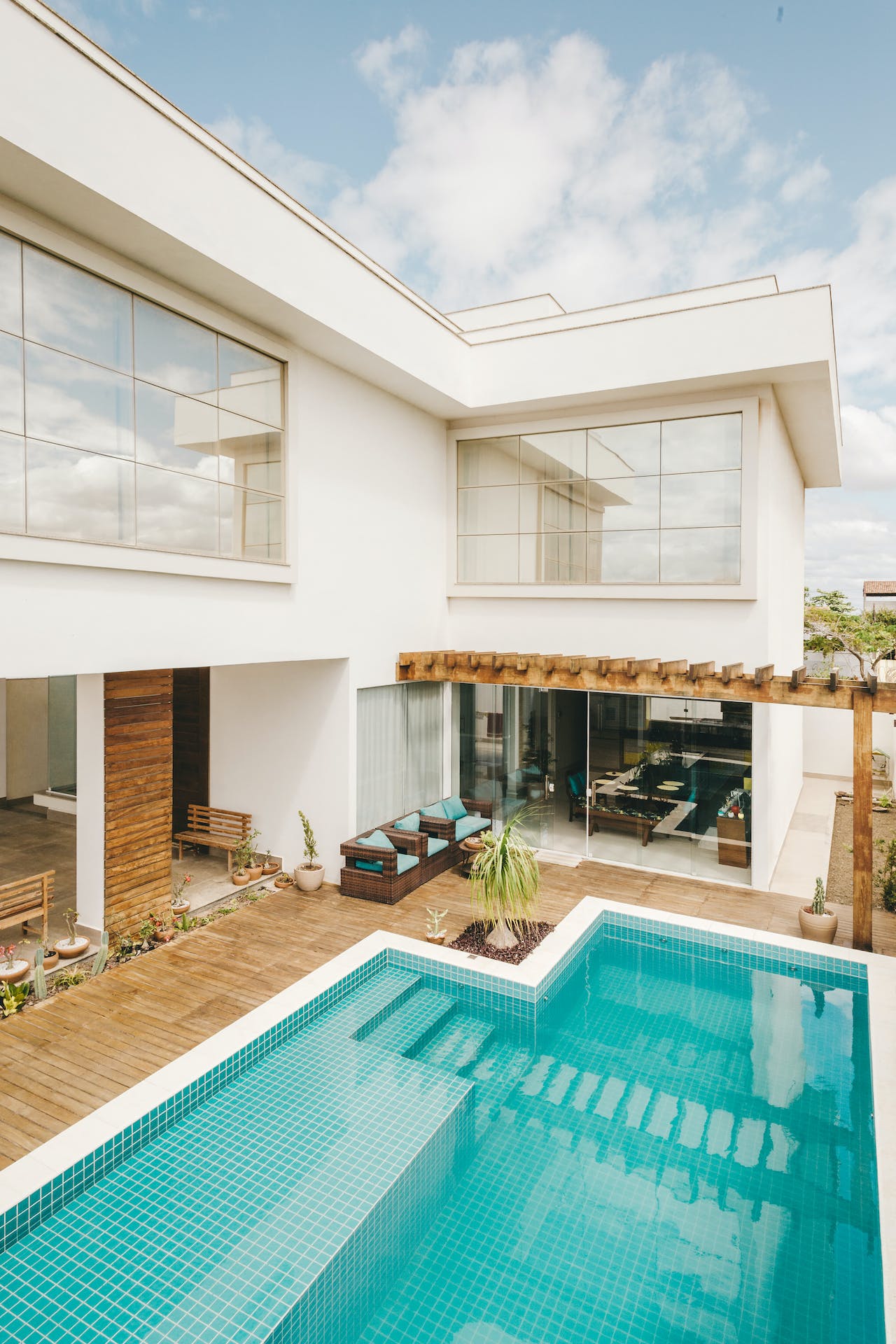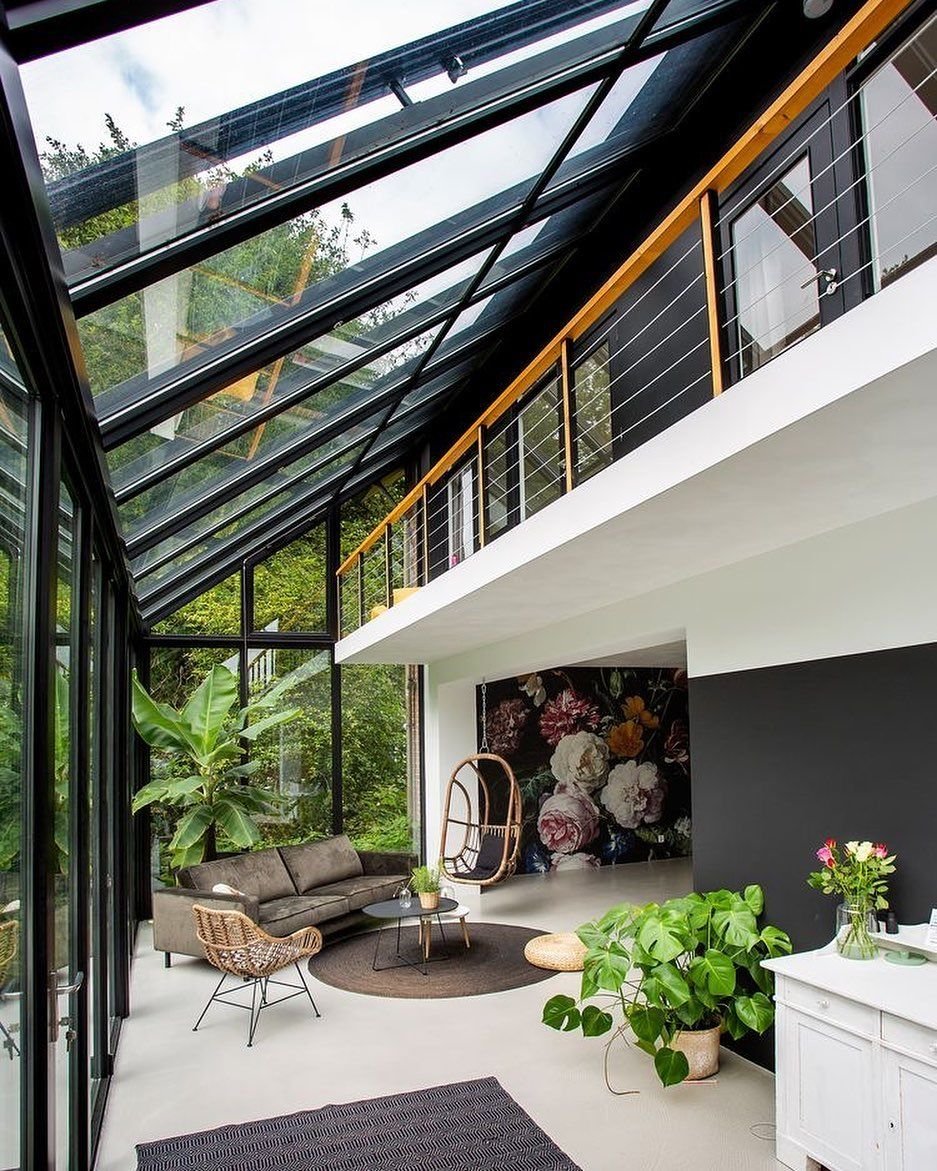
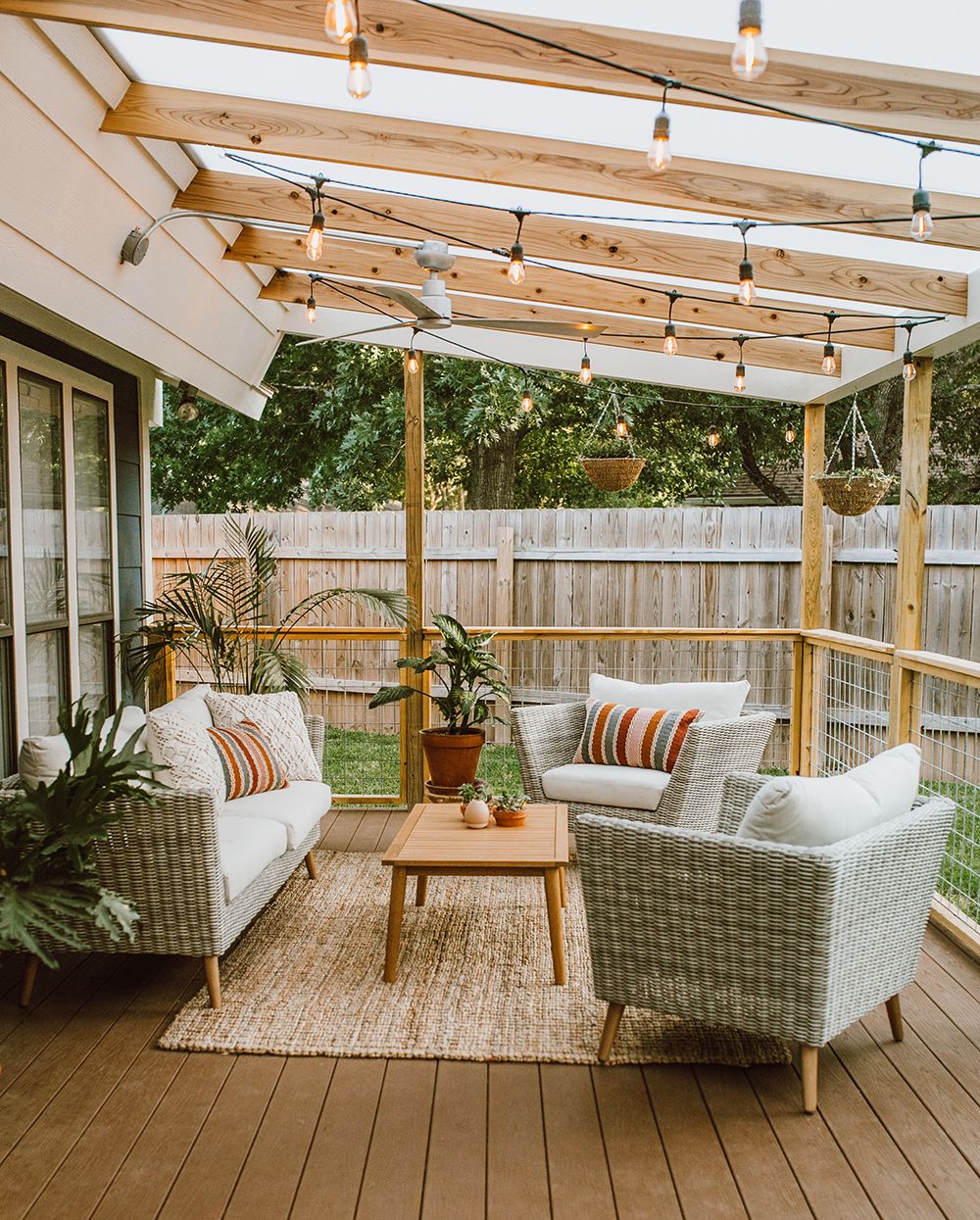
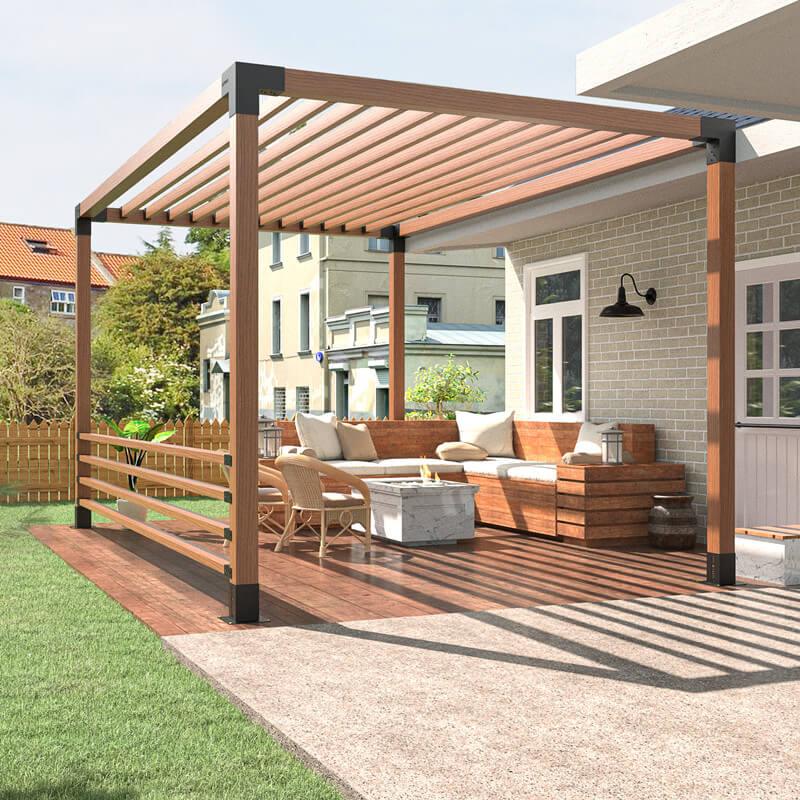
An outdoor pergola is one of the most practical upgrades for Australian homes because it solves a real lifestyle challenge: making outdoor areas usable in changing weather. This complete guide explains what an outdoor pergola is, why it has become a standard feature in modern Australian properties, and how to choose the right format for your block, budget, and daily routine.
What Is an Outdoor Pergola and Why Is It So Common in Australia?
An outdoor pergola is a structured overhead zone that defines and protects part of your external living area. Some systems are open and light-filtering; others are roofed and designed for stronger weather coverage. In Australia, pergolas are popular because outdoor living is central to family and social life, and homes often need practical shade and rain planning rather than purely decorative garden features.
Across Sydney and other major centres, pergolas are now treated as functional extensions of the home. They bridge indoor and outdoor spaces, improve comfort during hot periods, and make entertaining easier year-round.
Core Benefits: Why Homeowners Install Outdoor Pergolas
The strongest benefit is usability. A yard without structure may only be comfortable for short windows during the day, while a pergola can make the same area practical for meals, gatherings, and everyday downtime.
Pergolas can also support indoor-outdoor flow, lift visual presentation, and improve perceived property value when designed as part of the home rather than an afterthought.
- Shade and thermal comfort in peak summer conditions
- Better entertaining capacity for family and guests
- Defined functional zones in otherwise open yards
- Improved transition between interior and exterior living
- Long-term visual and lifestyle value
The Four Big Decisions: Size, Material, Style, and Roof Type
Most pergola outcomes come down to four decisions. Size should fit actual furniture and circulation, not just available footprint. Material affects maintenance and appearance. Style should align with house architecture. Roof type determines comfort level in sun and rain.
A practical design process is to confirm lifestyle use first, then set structural format, and only then finalize aesthetic details. This sequence helps avoid expensive redesigns.
Climate Factors for Australian Conditions
Australian climates demand strong sun management, rain response, and material durability. In coastal areas, corrosion resistance matters more. In high-sun zones, UV performance and heat behavior become priority design inputs. In wind-exposed sites, structural detailing and orientation need careful review.
A pergola that performs well in one suburb may need different detailing in another. Site-specific planning is more reliable than copying a design from a different microclimate.
Budget Ranges: How to Think About Cost Without Guesswork
Instead of focusing on one number, think in tiers: entry-level practical systems, mid-tier custom formats, and premium solutions with integrated controls and higher-end finishes. Project complexity, site conditions, and desired weather performance usually drive cost more than size alone.
For early planning, compare options by long-term value and maintenance profile, not just upfront spend.
Shortlist by outcome: comfort, durability, and maintenance over five years.
How Long Does Installation Usually Take?
Installation timelines vary by design complexity, approvals, and site conditions. Straightforward builds can move quickly once design and compliance steps are complete. More custom projects with integrated roofing or services generally require longer preparation and execution.
A realistic timeline includes planning, quoting, design confirmation, approvals where required, procurement, and build delivery.
DIY vs Professional Installation
DIY can suit very simple small structures for experienced owners, but many pergola projects involve structural, compliance, and weather-detailing factors that are better handled professionally. Professional delivery often reduces risk around durability, drainage, and regulatory obligations.
If the pergola is attached to the home, near a pool, or in a challenging site condition, professional guidance is usually the safer path.
Approval and compliance requirements vary. Confirm project-specific obligations with local council and qualified professionals before construction.
Key Takeaways
- Outdoor pergolas are lifestyle-first structures, not just decorative additions.
- The right outcome depends on balanced decisions across size, material, style, and roof type.
- Australian climate performance should shape the design from day one.
- Cost planning works best in quality tiers rather than one fixed figure.
- Professional installation is often the safer long-term option for complex projects.
Frequently Asked Questions
Ready for your pergola project?
Get a free quote and practical guidance from experienced pergola builders serving Sydney.
Get a free quoteRelated Posts