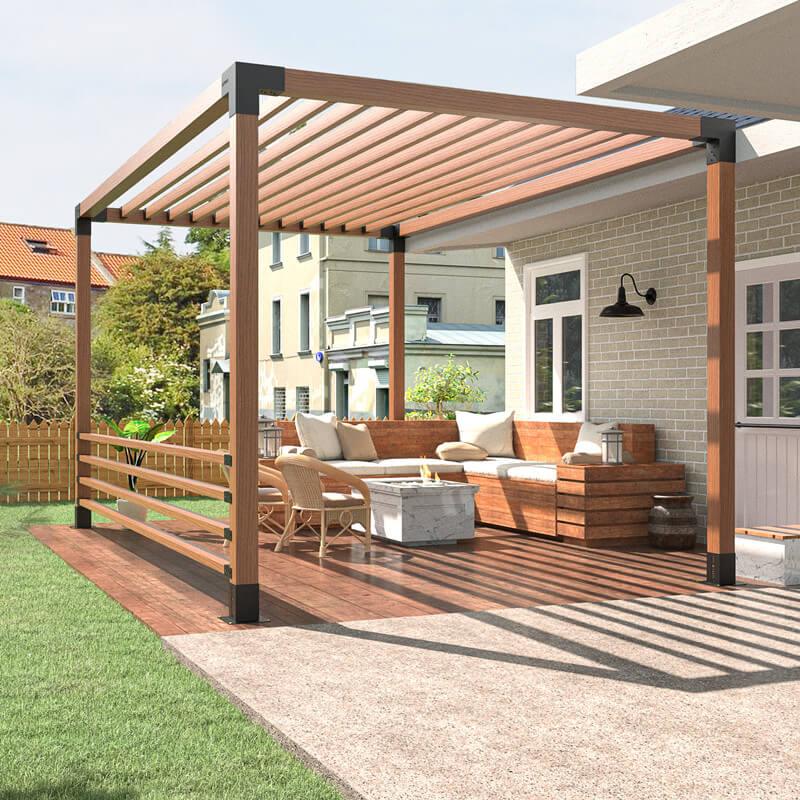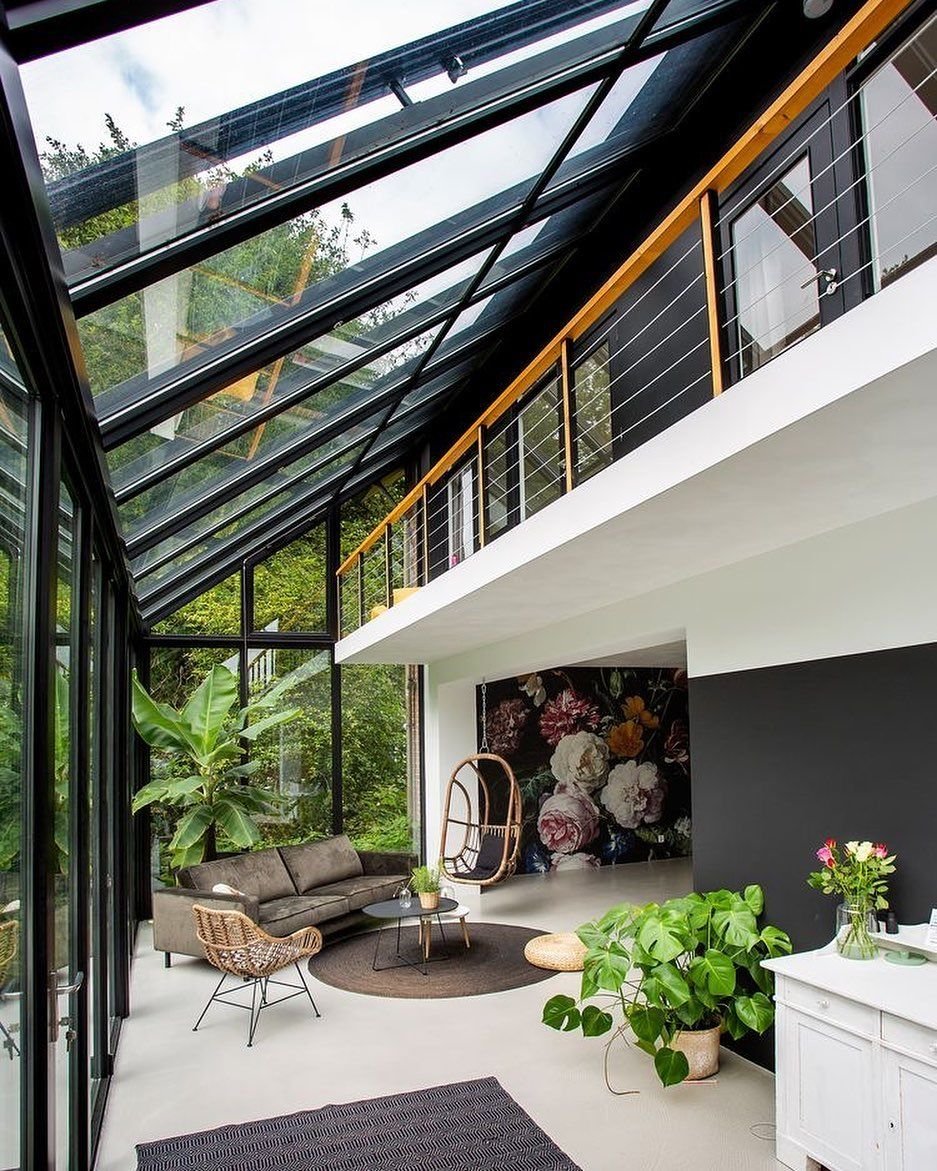
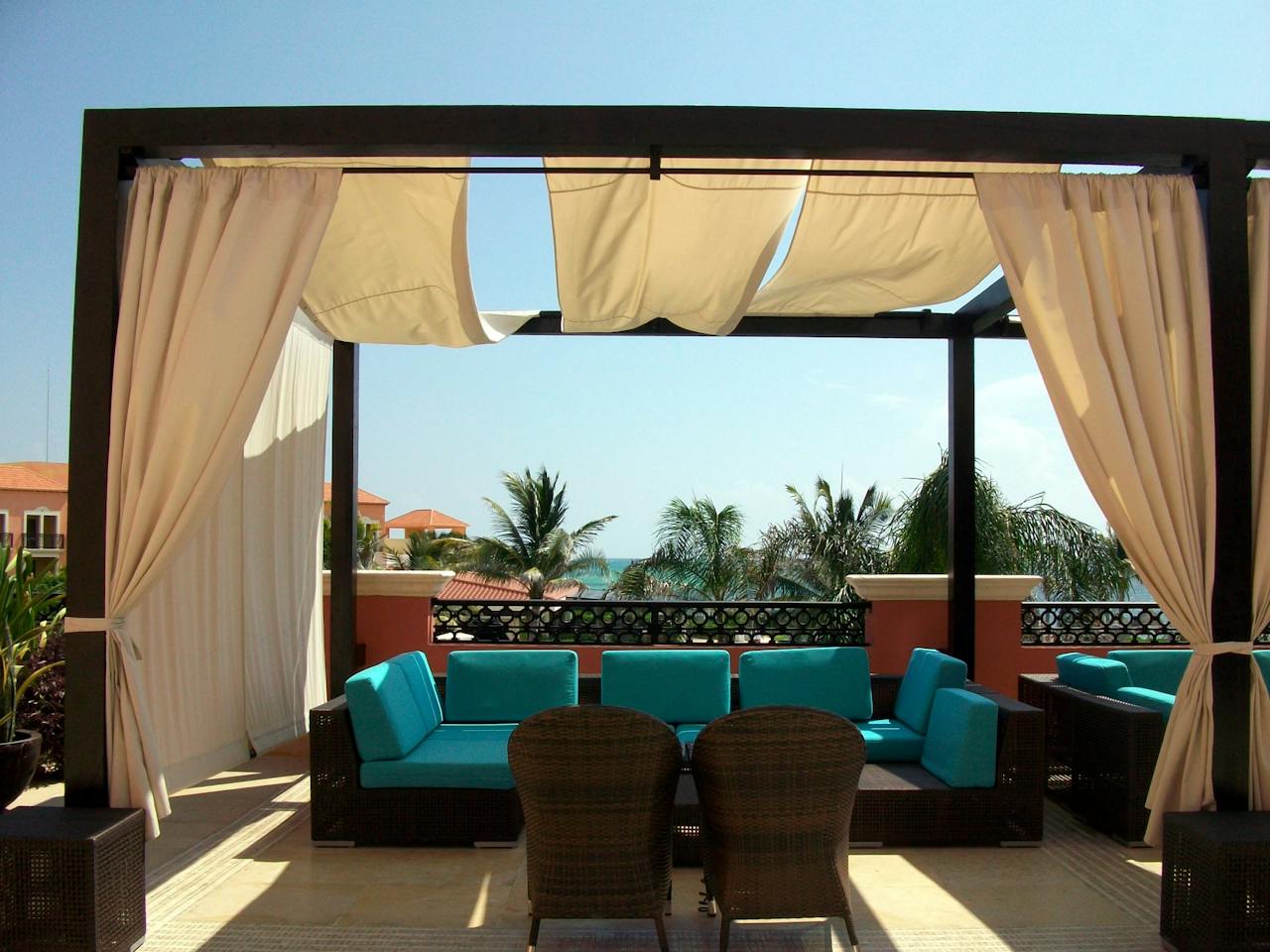
An attached pergola is one of the most effective ways to extend how your home feels day to day, because it uses the house itself as part of the structure and visual story. Instead of a standalone island in the yard, you get a continuous transition from kitchen or living areas into a defined outdoor room. This article focuses on why attached pergolas work so well, how to integrate them architecturally, and which design mistakes commonly undermine an otherwise good idea. For step-by-step construction sequencing and waterproofing detail, pair this guide with our dedicated how-to process article linked at the end.
What an Attached Pergola Is and How It Integrates
An attached pergola is anchored to the dwelling along one side, typically along a rear wall, under eaves, or into a roof line depending on design intent. That connection changes both appearance and structural behaviour compared with a freestanding pergola sitting mid-lawn.
Integration is the key word. A successful attached pergola reads as a natural extension of the home massing, not a random appendage. That outcome comes from aligning roof height, rhythm of posts or supports, material palette, and the way the new roof meets existing weathering lines.
Because one edge is shared with the house, you often gain usable depth without needing four freestanding posts around the full perimeter. That can free circulation near doors and improve furniture layouts for dining and lounging.
Key Benefits: Living Extension, Flow, and Structural Efficiency
The strongest lifestyle benefit is seamless indoor-outdoor flow. When thresholds, paving levels, and overhead cover align, daily routines like carrying meals outside or supervising kids become easier. People use the space more because friction drops.
Attached pergolas can also improve solar control for adjacent rooms. Thoughtful roof depth and orientation can shade glazing that previously overheated in summer, though care is required not to darken interiors you want bright in winter.
From a structural perspective, sharing support with the house can reduce the number of independent columns competing for space on a compact patio. That does not automatically make the project simpler overall, because connection detailing and weatherproofing become central, but it can improve spatial outcomes when planned well.
- Stronger sense of a single connected living zone.
- Often better door adjacency for dining and entertaining.
- Potential to shade and protect key windows and sliders.
- Opportunity to align outdoor finishes with interior palette cues.
Attached vs Freestanding: When Attached Wins
Attached pergolas are strongest when your priority is integration with the house and you have a usable wall or eaves zone to work with. They suit narrow blocks where a mid-yard structure would interrupt circulation or sight lines.
Freestanding pergolas remain better when you want a destination space away from the house, such as a pool cabana at the far end of the yard, or when the house wall is not a viable support candidate without major rework.
Many properties use both over time: attached cover near the kitchen, and a freestanding structure near a pool or lawn. The decision should follow daily movement patterns, not only aerial sketch aesthetics.
Architectural Integration: Making It Look Like Part of the House
Start with roof line discipline. If the pergola roof competes awkwardly with existing eaves or looks visually taller than it should relative to windows, the result reads as bolted on. Harmonise fascia lines, gutter strategies, and overall height bands with the existing facade where possible.
Material honesty matters. If your home is brick and painted render with aluminium windows, a mismatched timber tone can still work, but it should be intentional contrast rather than accidental mismatch. Repeat at least one cue from the house, such as roof colour, window frame tone, or decking stain family.
Rhythm also matters. Align posts or blade directions with door modules and window bays so the eye reads order. Random offsets that ignore existing grid lines are one of the most common reasons attached pergolas feel cheap.
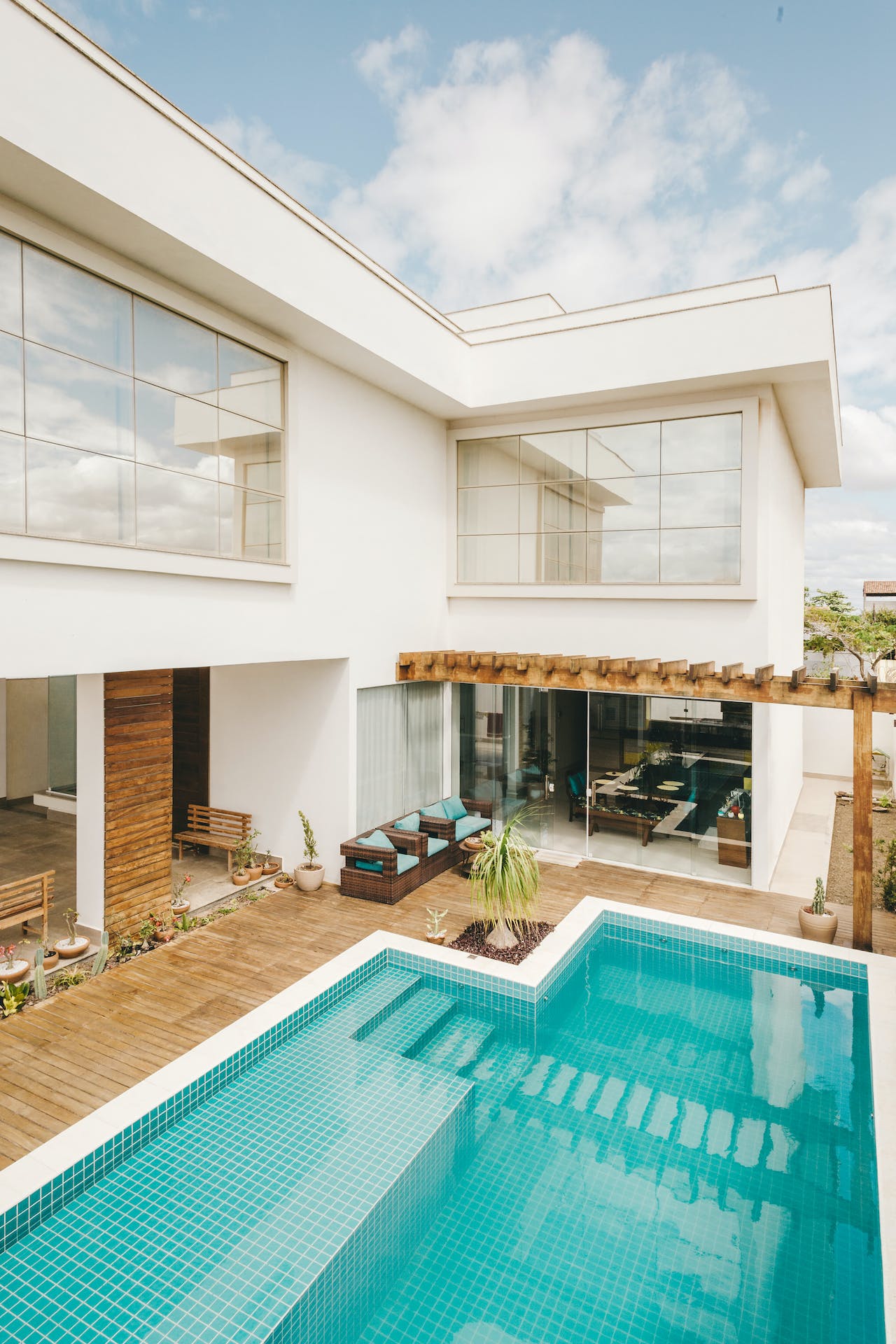
Connection Zones: Wall, Eaves, and Roof Line Interfaces
Wall connections can support clean modern lines but require disciplined flashing and moisture management. Eaves connections can simplify weather transitions in some cases yet constrain height and geometry. Roof line tie-ins can look spectacular when executed well but are the most detail-sensitive pathway.
Each approach has trade-offs in cost, complexity, and future serviceability. Your designer and builder should explain which pathway suits your structure and why, rather than defaulting to whatever is easiest for their standard kit.
Matching the House: Colour, Texture, and Style Cohesion
Colour matching is not always literal. Sometimes a slightly darker pergola frame reads better than an exact match that fights with existing weathering variation. The goal is cohesion at a distance and compatibility up close.
Texture interplay matters on patios where paving, decking, and cladding meet. If the pergola introduces a new texture, echo it elsewhere in small doses so the composition feels curated rather than accidental.
Benefits for Interior Rooms: Kitchens and Living Spaces That Expand
Kitchen-adjacent attached pergolas can redefine meal routines by making outdoor dining feel like a simple slide of the door rather than an event setup. Living room adjacency can extend entertaining without crowding the interior.
Plan for practical details: where chairs will sit relative to door swings, where a barbecue might live without blocking traffic, and where lighting transitions from interior to exterior so evenings feel continuous rather than patchy.
Natural Light: Avoiding Accidental Darkening of Interiors
A common regret is shading living windows so aggressively that winter interiors feel gloomy. Mitigate this with adjustable roofs, partial coverage strategies, or pergola depth that shades the patio first without fully blocking clerestory or high windows.
If preserving winter light is a priority, model how roof depth interacts with sun angles across seasons. This is where adjustable louvres or open beam sections can outperform a fully solid cover that looked fine on a summer-only site visit.
Balance shade for the patio with light for the rooms behind it. Test assumptions across seasons where possible.
Outdoor Flow and Perceived Property Value
Buyers often respond positively to coherent indoor-outdoor living, especially in Sydney where climate rewards usable alfresco zones. Value impact is never a guaranteed formula and varies by suburb, quality of execution, and how well the pergola suits the house typology.
Treat value as a by-product of daily livability. A well-integrated attached pergola that improves comfort and usability usually presents better at sale time than a flashy structure that ignores practical flow.
Structural Considerations at a High Level
Attached pergolas interact with the existing building envelope. That means support capacity, connection detailing, and weatherproofing deserve professional attention. This article stays at the principle level: assume that engineering and compliance pathways may be required depending on scope.
If you need construction sequencing, flashing specifics, and gutter integration detail, use the dedicated how-to guide linked below rather than guessing from general inspiration.
Consult qualified builders and engineers for structural design and confirm approval requirements with your local council.
Common Design Mistakes: Proportion, Material Clash, and Ignored Windows
Overscaled pergolas that overwhelm modest facades are a frequent issue. Another is selecting a roof type that fights the architectural language of the house, such as ultra-industrial steel details on a soft traditional cottage without a deliberate design strategy.
Ignoring existing windows can create privacy conflicts or awkward views of underside structure from inside. Step back and look at sight lines from key interior positions before locking in beam layouts.
Cheap-looking outcomes often come from inconsistent downlight placement, visible cable runs, and mismatched post bases on paving. These are finish discipline issues more than structural ones, but they dominate first impressions.
Pulling It Together: A Practical Integration Checklist
Confirm your primary use case and circulation path from house to pergola. Align roof form with facade rhythm. Choose materials for both aesthetics and maintenance realism. Plan lighting layers for day and night use.
Then engage professionals to validate structure and weathering strategy. The best attached pergolas combine design clarity with technical discipline, so the result feels inevitable rather than improvised.
Key Takeaways
- Attached pergolas extend living space by integrating shade and shelter with the house edge.
- Architectural success comes from roof line discipline, material cohesion, and alignment with doors and windows.
- They suit narrow blocks and kitchen-adjacent outdoor dining better than many freestanding alternatives.
- Balance patio shade with preserving natural light to interior rooms you value in winter.
- Structural and waterproofing detail belongs in professional scope, not guesswork.
Frequently Asked Questions
Ready for your pergola project?
Get a free quote and practical guidance from experienced pergola builders serving Sydney.
Get a free quote