Attached pergolas are popular because they create a direct transition between indoor and outdoor living. But unlike freestanding pergolas, attached systems must integrate with the house structure and weatherproofing envelope, which raises technical stakes considerably. This guide explains the full process from planning and approvals through structural detailing and installation, so homeowners can make informed decisions and understand what high-quality professional delivery should look like.
Why Attached Pergolas Are So Popular
An attached pergola extends functional living space from the home footprint, making patios and backyards feel like intentional room extensions rather than separate zones. This improves day-to-day usability for dining, entertaining, and family routines.
Because the structure connects directly to the house, it can support better circulation, stronger visual continuity, and more efficient servicing for lighting or other features.
Typical Project Phases from Concept to Completion
Professional attached pergola projects usually follow a structured sequence: consultation, site measurement, concept design, technical detailing, approvals pathway review, fabrication or procurement, installation, and final handover.
Understanding this sequence helps homeowners evaluate installer professionalism. If major steps are skipped in early conversations, risk tends to increase later.
- Consultation and goals definition
- Measurement and site assessment
- Design and material selection
- Approvals and documentation pathway
- Installation and finishing
- Final quality check and handover
Planning and Measurement Essentials
Good planning starts with real usage goals: dining, lounge, weather protection, and circulation expectations. Dimensions should reflect both furniture zones and movement clearances, not just available wall length.
Orientation matters as much as size. Sun path, prevailing wind, and neighboring structures influence comfort throughout the day. Early orientation decisions often determine whether the final space feels usable year-round.
Connection Zones: Wall, Eaves, and Interface Constraints
Attached pergolas can connect through different interface strategies depending on house construction, roofline geometry, and desired finished height. Not every wall zone is suitable for direct structural connection.
Installers need to confirm support conditions, cladding implications, and waterproofing approach before finalizing connection details. This is one of the most important risk-control steps in the project.
Permits and Approvals in NSW: A Cautious Approach
Approval requirements vary by project specifics, site conditions, and local pathways. Homeowners should confirm obligations with local council and qualified professionals before committing to build schedules.
A reputable installer should discuss approvals early and clarify what documentation is included in their scope versus what may require additional consultants.
Permits and compliance requirements can change. Always verify current requirements with your local council.
Structural Considerations That Cannot Be Overlooked
Attached pergolas transfer loads into existing structures, so wall strength, support continuity, and connection detailing are critical. Assumptions based on appearance alone are not enough.
Waterproofing integration is equally important. Incorrect flashing or poor junction detailing can lead to moisture problems that may not appear immediately.
- Support capacity of connection zones
- Load transfer strategy into house structure
- Uplift and lateral stability behavior
- Flashing and moisture management compatibility
Common Connection Methods: Ledger, Direct, and Hybrid
Many attached systems use ledger-style connection logic where a primary member establishes alignment and load transfer along the wall interface. Other systems use engineered direct connection strategies based on structure type.
Method selection depends on house construction and roof integration plan. It should be verified in technical scope rather than improvised onsite.
Roof Integration and Weatherproofing
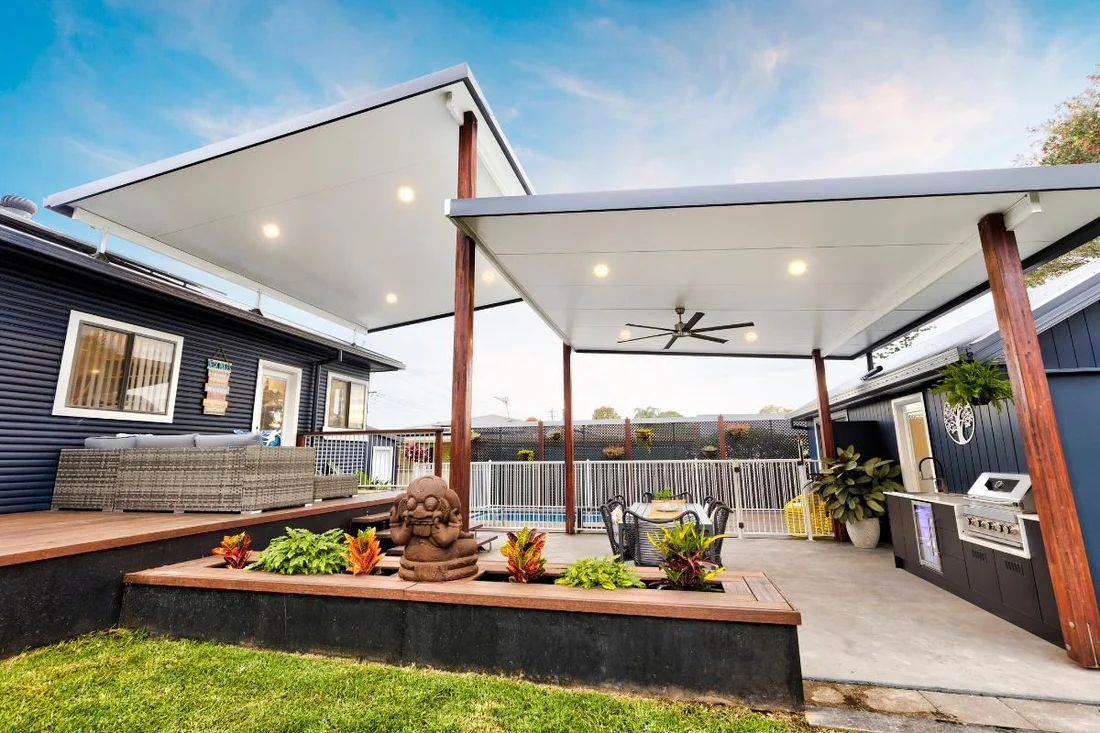
Roof integration is where attached projects often succeed or fail. Effective flashing, overlap detail, and drainage direction are fundamental to long-term performance.
The goal is to ensure water is routed predictably away from sensitive junctions under varied weather conditions. A good installer should be able to explain this clearly in practical terms.
Drainage Planning: Preventing Future Problems
Attached pergolas need clear water management pathways from roof surfaces to controlled discharge points. Where drainage intersects existing gutters or downflow paths, detailing becomes more important.
Water management planning should be documented and checked before cladding or finishes conceal critical interfaces.
Material Selection for Attached Builds
Material choice should balance structural requirements, maintenance expectations, and architectural fit with the home. Aluminium and steel systems can offer strong precision and low-maintenance pathways, while timber can provide warmth and character with appropriate upkeep.
The best material is project-specific. It should be selected in context of roof type, span, exposure, and desired aesthetic language.
Why DIY Is Especially Risky for Attached Pergolas
DIY approaches can underestimate waterproofing complexity and structural interface risk. Errors in connection detailing may lead to hidden moisture issues or performance problems over time.
Because attached systems interact directly with the home envelope, mistakes can affect more than the pergola itself. Professional delivery is often the safer and more economical long-term pathway.
Attached pergolas involve structural and waterproofing interfaces that are high consequence if done incorrectly.
What to Expect from Professional Installation
A professional installer should provide transparent milestones, clear inclusions, and realistic sequencing for approvals, procurement, and installation. Timelines vary, but clarity and communication quality are strong indicators of project reliability.
Warranty scope, post-install service, and compliance documentation should be confirmed before work starts, not at handover.
Common Mistakes to Avoid
Frequent mistakes include selecting design before confirming structural feasibility, under-scoping waterproofing detail, accepting vague quote language, and assuming approvals are automatic.
A robust process starts with technical validation and clear scope detail, then moves to aesthetics and finishes with confidence.
Owner Checklist: Preparing for a Smooth Attached Pergola Build
A successful attached pergola project usually starts with clear homeowner priorities. Define whether your primary goal is shade, all-weather entertaining, visual integration, or property presentation. When priorities are explicit, design decisions become easier and installer proposals are easier to evaluate. Ambiguity at this stage often leads to scope changes later.
Gather practical site information before formal quoting. Include photos of wall and roof interfaces, notes on drainage behavior during heavy rain, and any known constraints around access or neighboring structures. This pre-work helps installers provide more accurate early guidance and reduces avoidable revisions.
During consultation, ask installers to explain connection logic in plain language. You do not need engineering expertise to understand whether a team has a coherent approach. Look for clear discussion of load transfer, flashing integration, and long-term maintenance considerations.
Request quote transparency around inclusions, exclusions, and assumptions. Attached projects can vary significantly depending on interface detailing and approval pathways. A detailed quote is a risk-control tool, not just a pricing document.
Before installation begins, confirm communication cadence and decision checkpoints. Knowing when key approvals, material confirmations, and onsite milestones occur reduces stress and prevents last-minute misunderstandings.
After completion, maintain records of as-built details, warranty terms, and maintenance guidance. Attached pergolas perform best when ownership includes periodic review of critical interfaces. A well-documented handover supports easier servicing and stronger long-term confidence.
What to Ask Before Work Starts on an Attached Pergola
High-quality outcomes depend on pre-install coordination, not just onsite effort. Confirm material lead times, sequencing assumptions, access requirements, and decision checkpoints before work begins. Projects run more smoothly when technical questions are resolved early and scope assumptions are documented clearly.
During installation, quality control should be visible and structured. Ask how key milestones are checked, who signs off critical details, and what happens if site conditions differ from original assumptions. Transparent quality pathways reduce rework risk and build trust throughout delivery.
Handover should include practical documentation, not only visual completion. Homeowners benefit from clear records of what was installed, what maintenance is recommended, and how support requests are handled. This information is especially valuable for systems with moving parts, exposed hardware, or weather-sensitive interfaces.
A project should be evaluated by lifecycle performance, not day-one appearance alone. Durable detailing, service responsiveness, and realistic maintenance expectations are the foundations of long-term value. When these are addressed properly, the space remains usable and reliable across seasons.
If any part of the process feels unclear, pause and request clarification before proceeding. Good installers welcome informed questions and can explain technical decisions in practical language. Early clarity usually prevents later disputes and helps homeowners feel confident in the finished result.
Practical Next Steps Before You Commit
Before signing any agreement, consolidate your priorities into a short decision brief that includes intended usage, comfort expectations, design direction, and maintenance tolerance. This one-page brief helps installers align recommendations and reduces the chance of late-stage scope drift. It also makes quote comparison clearer because each provider is responding to the same core goals.
Then request a structured proposal review meeting instead of relying on email exchanges alone. Live review allows you to test assumptions, clarify exclusions, and confirm who is responsible for each technical element. Many project misunderstandings happen because homeowners and installers use the same terms but mean different things. A short clarification meeting can prevent expensive misalignment.
Finally, move forward only when scope, support, and expected outcomes are all documented in a way you understand. Confidence should come from clarity, not urgency. Taking a little more time in planning usually produces better delivery quality, fewer surprises, and a more reliable finished pergola that performs the way you expected.
Key Takeaways
- Attached pergolas can transform usability but require higher technical discipline than freestanding builds.
- Structural connection and waterproofing integration are the two highest-risk areas.
- Approvals and compliance pathways should be clarified early with local authorities and professionals.
- Professional installation often delivers better long-term value by reducing hidden risk.
- Clear scope documentation is essential for comparing quotes and avoiding surprises.
Frequently Asked Questions
Ready for your pergola project?
Get a free quote and practical guidance from experienced pergola builders serving Sydney.
Get a free quoteRelated Posts