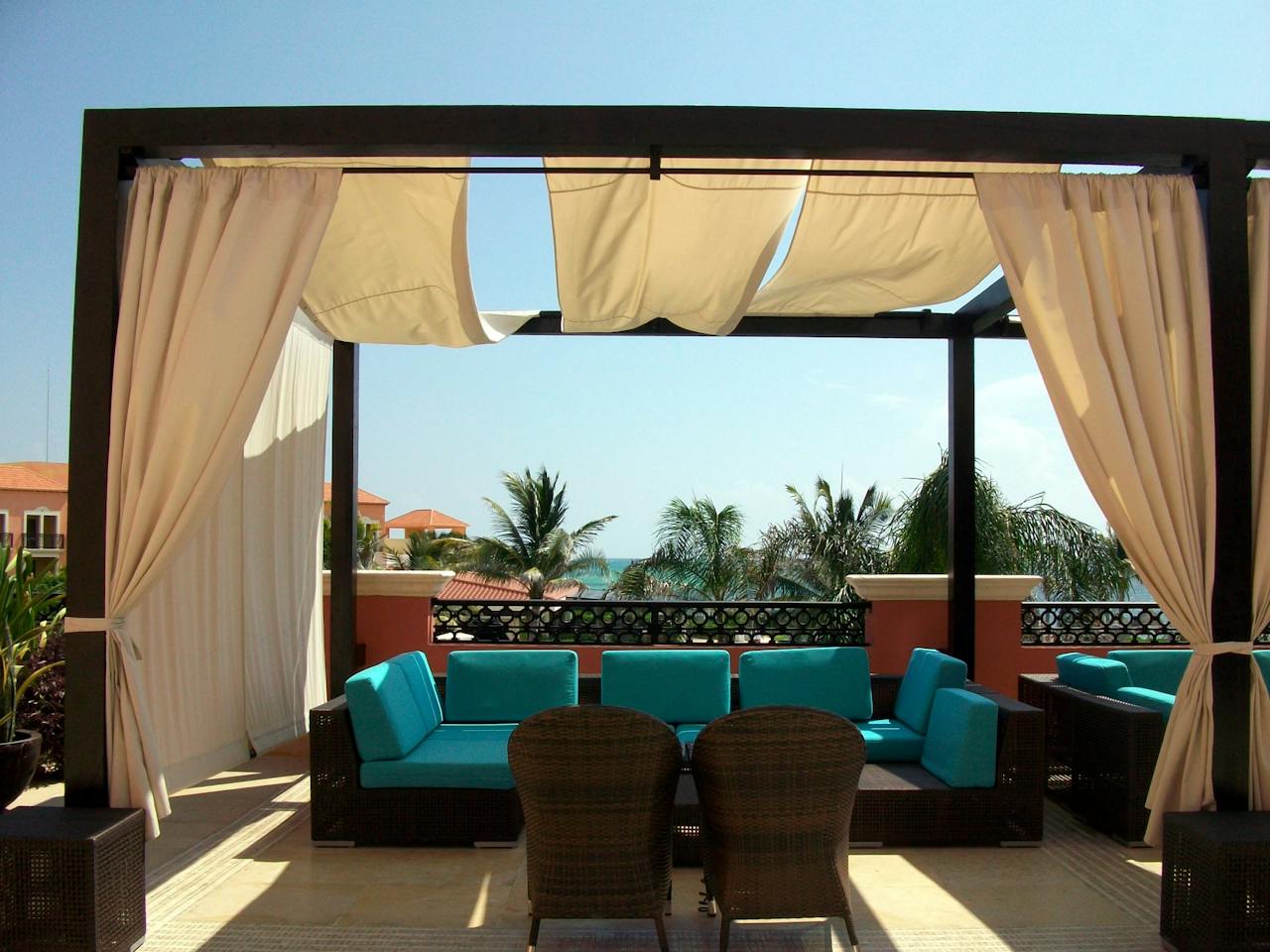
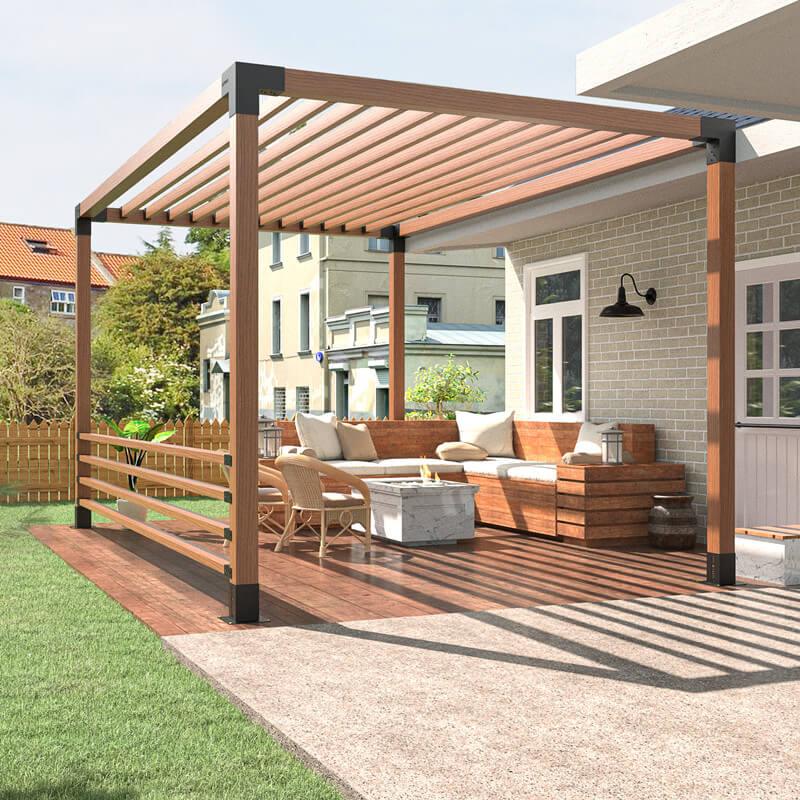
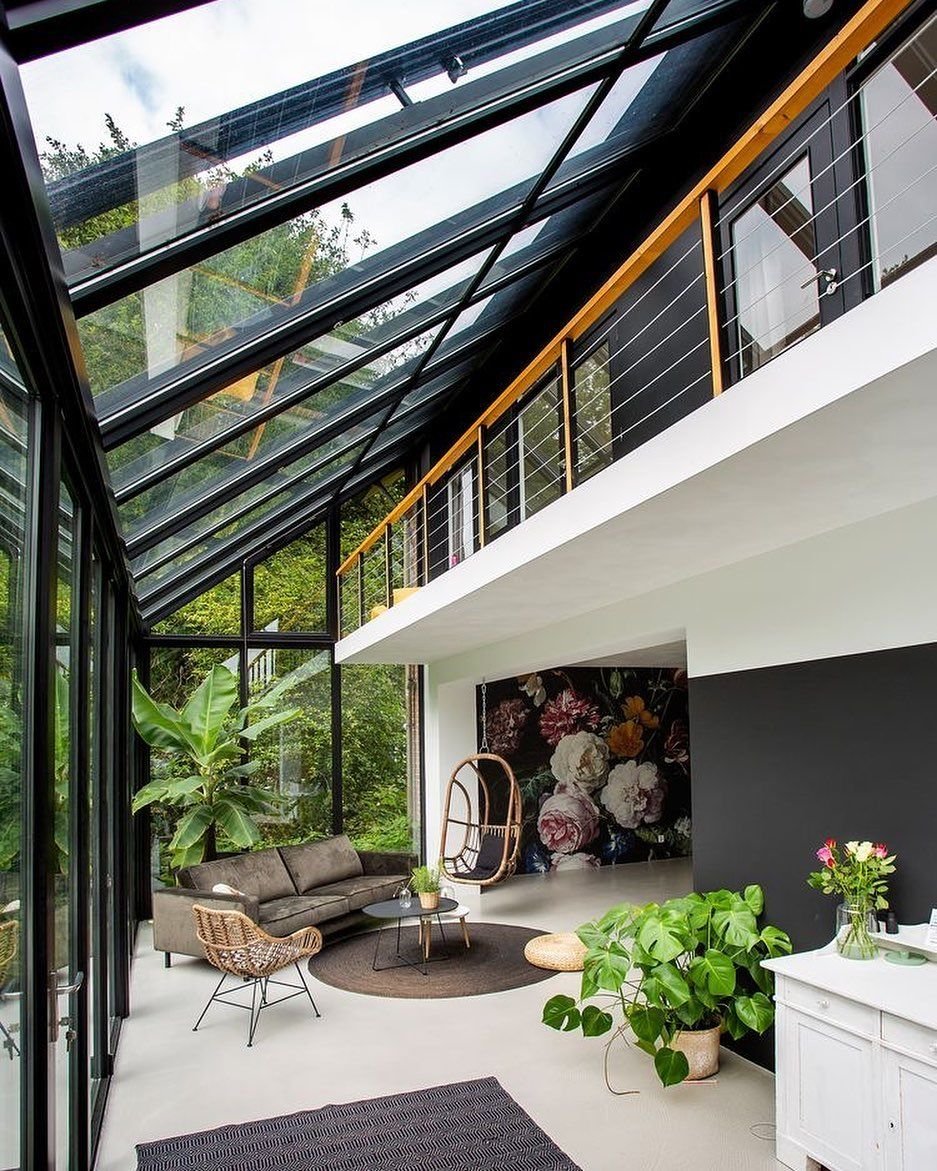
Cantilever pergolas are one of the most visually striking outdoor structure formats because they remove front posts and open up clear usable space below. They can deliver a dramatic architectural outcome, especially in modern homes, poolside settings, and elevated decks with strong views. This guide explains what cantilever means structurally, when it works best, and what technical realities homeowners need to understand before committing.
What Is a Cantilever Pergola?
In structural terms, a cantilever is a projecting element supported at one end while extending beyond its support point. In pergola design, this allows roof or beam elements to overhang without front posts interrupting the occupied area.
The visual result is clean and open. The engineering requirement is more demanding than standard post-supported layouts, which is why cantilever systems usually sit in premium project categories.
Why Homeowners Choose Cantilever Designs
The main reason is spatial clarity. Without front posts, furniture layouts, circulation, and view lines are more flexible. This is especially valuable in compact footprints where every square meter matters.
Cantilever systems also create strong architectural expression. Their floating visual quality can elevate contemporary facades and give outdoor zones a refined, high-design character.
- Unobstructed front zone for furniture and movement
- Stronger visual connection to landscape or views
- Distinctive modern architectural identity
- Higher perceived design value in premium builds
How Cantilever Structures Work in Practice
Cantilever performance depends on load transfer through primary supports and anchoring points. The projecting section places leverage demands on the supporting structure, so connection quality and support design are critical.
Unlike conventional pergolas where loads distribute through multiple posts, cantilever systems concentrate structural demands into fewer elements. This is why engineering documentation is typically necessary.
Wind uplift, vibration behavior, and long-term movement should all be considered in design stage rather than addressed reactively during installation.
Material Selection: Steel, Aluminium, and Timber Limits
Steel is often preferred for larger cantilever spans because of its strength and stiffness characteristics. Aluminium can also be used effectively in many projects, especially with engineered systems designed for cantilever behavior.
Timber can be used in selected applications, but long cantilever projections are usually more constrained compared with steel or engineered aluminium systems.
Where Cantilever Pergolas Perform Best
Cantilever designs are particularly effective where open frontage is a practical or visual priority. Pool edges, view-oriented decks, entry approaches, and narrow entertaining zones are common use cases.
In each case, the value comes from preserving clear space while still achieving weather and shade control.
- Poolside lounges with clear circulation
- Elevated decks with view retention
- Architectural entry zones
- Outdoor kitchens where post-free frontage is useful
Technical Challenges: Load, Deflection, and Uplift
Cantilever systems face structural challenges that are less prominent in conventional post-supported pergolas. These include deflection control, vibration damping, and uplift resistance under wind conditions.
Design solutions may involve deeper sections, stronger base anchoring, reinforced supports, and tighter connection tolerances. These factors can influence both budget and installation complexity.
Cantilever projects should be engineered and documented carefully. Do not treat them as standard pergola builds.
Permits and Documentation Considerations
Because cantilever structures can carry higher structural complexity, approvals and documentation requirements may be more rigorous than standard pergolas in some contexts.
Exact pathways vary by project specifics and local authority expectations. Confirm requirements with local council and qualified professionals before finalizing scope.
Cost Positioning: Why Cantilever Sits in Premium Ranges
Cantilever pergolas are usually priced above conventional formats because of engineering demands, structural specification, and tighter installation tolerances.
This does not automatically mean overpricing. It reflects added complexity and performance requirements needed to achieve the post-free outcome safely.
Maintenance and Lifespan Planning
Maintenance depends on material and exposure, but cantilever projects benefit from periodic review of key structural points and protective finishes.
With correct specification, quality construction, and routine care, cantilever pergolas can deliver long service life with strong architectural value.
Common Mistakes and Questions to Ask Early
Frequent mistakes include underestimating engineering scope, comparing non-equivalent quotes, and prioritizing visual renderings over technical documentation.
Homeowners should ask early about span limits, support anchoring strategy, maintenance expectations, and what assumptions are built into engineering scope.
- What span assumptions are used in engineering?
- How is wind uplift addressed for this specific site?
- What maintenance checks are recommended over time?
- Which elements are included or excluded in the quoted scope?
Advanced Planning for Cantilever Pergola Projects
Cantilever pergolas demand early coordination between architecture and structural engineering. If visual design is developed too far before structural constraints are reviewed, redesign cycles can become expensive and frustrating. The most successful projects build conceptual intent and engineering logic together from the beginning. This collaborative sequence protects both aesthetics and feasibility.
Span ambition should be balanced against support strategy and acceptable movement performance. Long projections can be visually dramatic, but structural behavior under wind and live load must remain comfortable and safe. Understanding expected movement is important for homeowner expectations as well as technical sign-off. A design that looks elegant on paper should also feel stable in real use.
Connection context is equally important. Cantilever loads must transfer into robust supporting elements, and this can influence where structures are placed relative to existing slabs, decks, or walls. Support location decisions are not merely technical; they affect circulation, furniture layout, and future flexibility of the outdoor area.
Material and finish selection should consider both structural behavior and maintenance profile. Steel may support larger spans effectively, while engineered aluminium systems can deliver strong performance with refined lines. In either case, corrosion strategy and coating quality should be matched to site exposure rather than assumed from product category.
Construction sequencing for cantilever systems also warrants attention. Temporary supports, lifting strategy, and connection verification steps can influence installation time and site safety. Ask installers how sequencing is managed and what quality checks occur before final release.
Post-completion inspection planning is a practical final step. Periodic checks of critical interfaces, finish condition, and movement behavior help preserve long-term performance. Cantilever projects can deliver exceptional outcomes when design ambition is matched by disciplined technical delivery.
Execution Quality: From Engineering Intent to Built Reality
High-quality outcomes depend on pre-install coordination, not just onsite effort. Confirm material lead times, sequencing assumptions, access requirements, and decision checkpoints before work begins. Projects run more smoothly when technical questions are resolved early and scope assumptions are documented clearly.
During installation, quality control should be visible and structured. Ask how key milestones are checked, who signs off critical details, and what happens if site conditions differ from original assumptions. Transparent quality pathways reduce rework risk and build trust throughout delivery.
Handover should include practical documentation, not only visual completion. Homeowners benefit from clear records of what was installed, what maintenance is recommended, and how support requests are handled. This information is especially valuable for systems with moving parts, exposed hardware, or weather-sensitive interfaces.
A project should be evaluated by lifecycle performance, not day-one appearance alone. Durable detailing, service responsiveness, and realistic maintenance expectations are the foundations of long-term value. When these are addressed properly, the space remains usable and reliable across seasons.
If any part of the process feels unclear, pause and request clarification before proceeding. Good installers welcome informed questions and can explain technical decisions in practical language. Early clarity usually prevents later disputes and helps homeowners feel confident in the finished result.
Practical Next Steps Before You Commit
Before signing any agreement, consolidate your priorities into a short decision brief that includes intended usage, comfort expectations, design direction, and maintenance tolerance. This one-page brief helps installers align recommendations and reduces the chance of late-stage scope drift. It also makes quote comparison clearer because each provider is responding to the same core goals.
Then request a structured proposal review meeting instead of relying on email exchanges alone. Live review allows you to test assumptions, clarify exclusions, and confirm who is responsible for each technical element. Many project misunderstandings happen because homeowners and installers use the same terms but mean different things. A short clarification meeting can prevent expensive misalignment.
Finally, move forward only when scope, support, and expected outcomes are all documented in a way you understand. Confidence should come from clarity, not urgency. Taking a little more time in planning usually produces better delivery quality, fewer surprises, and a more reliable finished pergola that performs the way you expected.
Final Planning Note
One final recommendation is to document decision criteria before final approval: expected comfort outcomes, maintenance tolerance, technical priorities, and support expectations. This simple step creates alignment between homeowner and installer and makes handover success easier to define. Projects with clear decision records tend to run smoother and produce stronger long-term satisfaction.
Key Takeaways
- Cantilever pergolas create high-value open frontage by removing front posts.
- The visual benefit comes with higher structural and engineering demands.
- Steel and engineered aluminium are common material choices for span performance.
- Approvals and technical documentation may be more complex than standard pergolas.
- Strong results require equal attention to architecture and engineering execution.
Frequently Asked Questions
Ready for your pergola project?
Get a free quote and practical guidance from experienced pergola builders serving Sydney.
Get a free quote