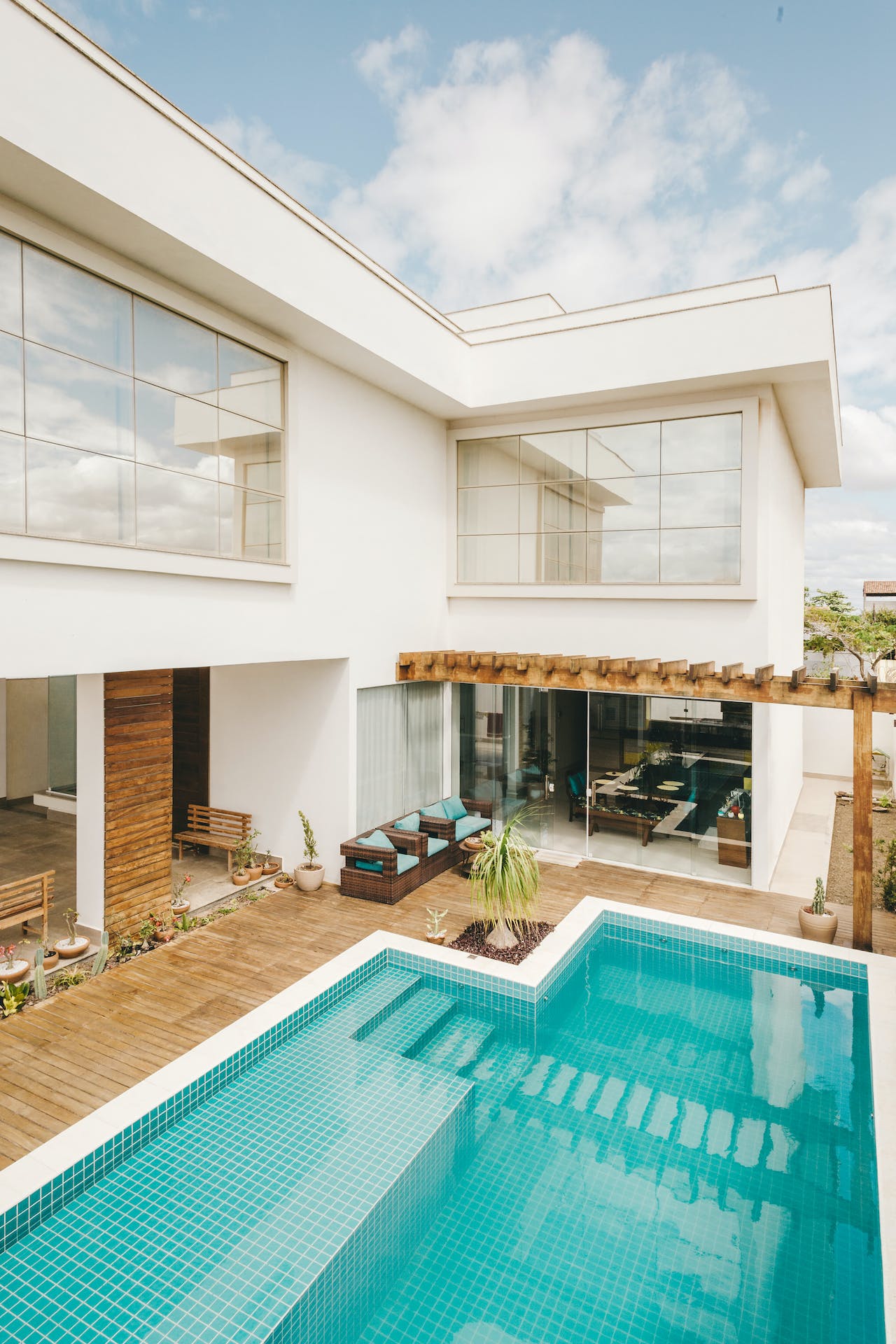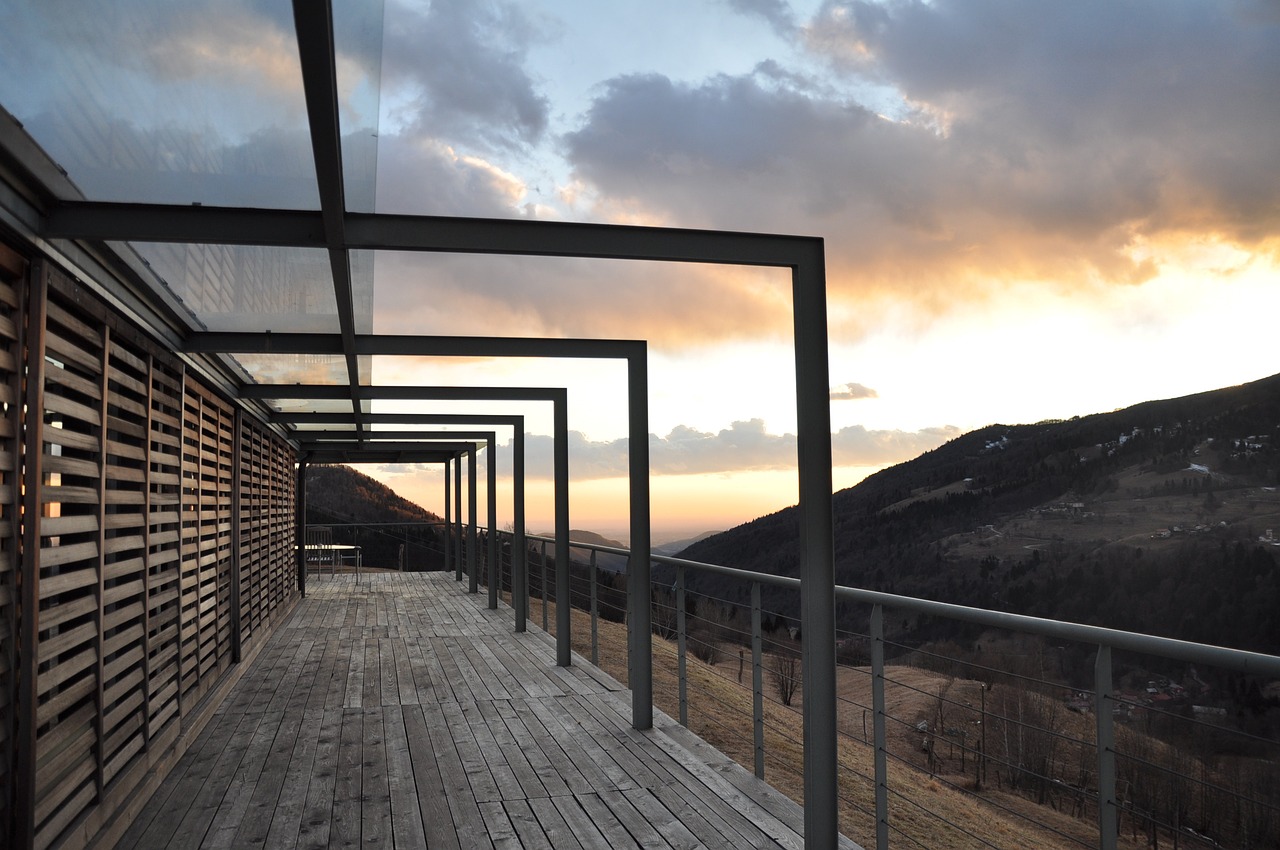
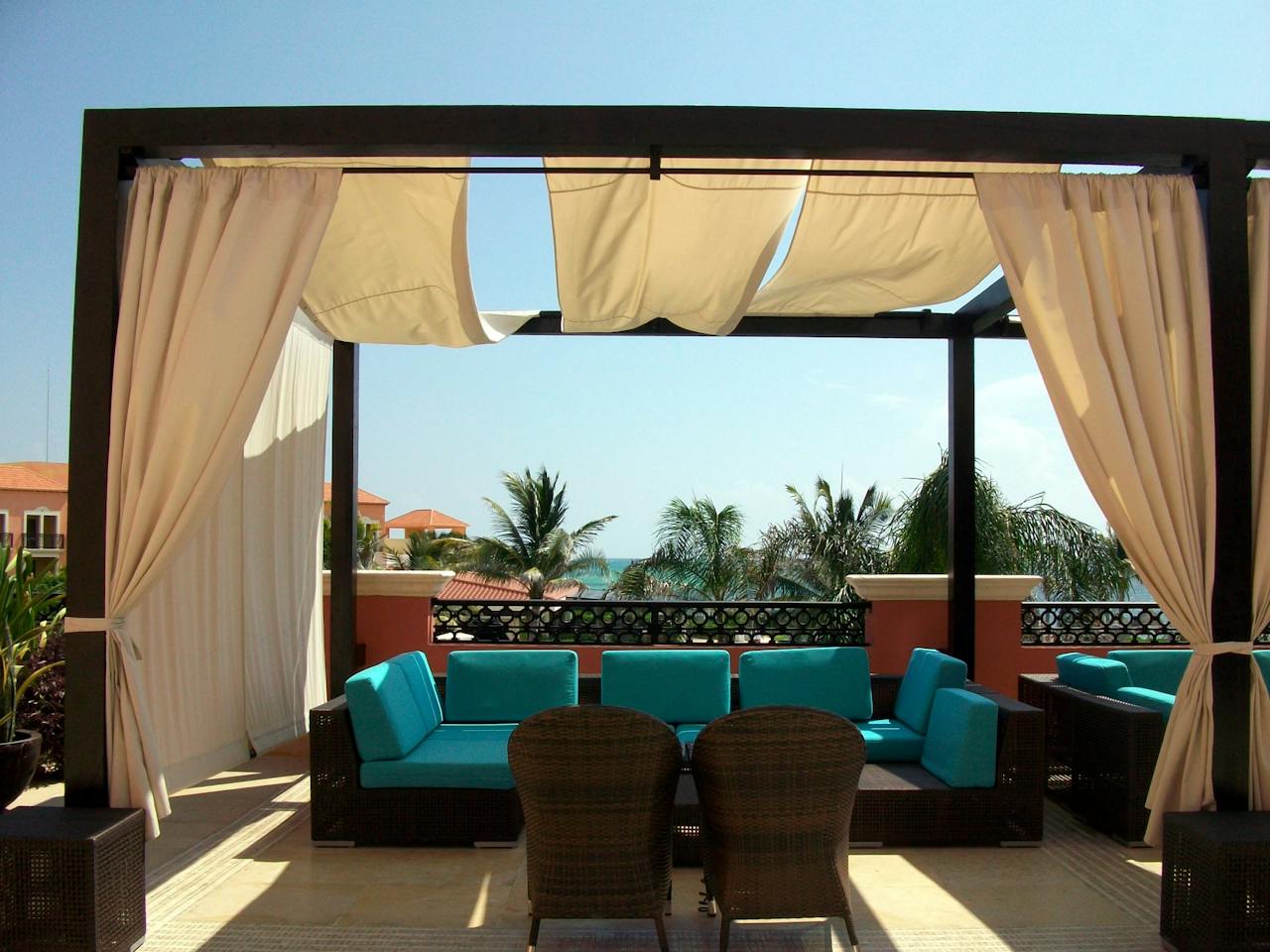
A pergola patio is not a separate product category so much as a pairing that works exceptionally well in Australian homes. Patios give you a stable, cleanable hard surface for furniture and traffic, while pergolas provide shade, rain logic, and a sense of room overhead. Together they turn ambiguous paved areas into outdoor rooms you actually use. This guide explains how to plan the combination for both retrofit and new-build scenarios, including drainage, sizing, materials, and the small layout decisions that separate awkward patios from comfortable ones.
What a Pergola Patio Combination Really Means
Think of the patio as the floor system and the pergola as the roof and column system that defines volume. Neither element reaches its potential alone on many blocks: patios without cover become heat islands in summer, while pergolas without a coherent floor plane can feel like floating shade with nowhere sensible to place seating.
The combination is popular because it mirrors how interior rooms work: a continuous surface underfoot and controlled exposure above. That familiarity makes outdoor spaces easier to furnish and easier to keep tidy.
Why Patios and Pergolas Complement Each Other
Hard paving handles chair loads, spills, and wet feet better than lawn. A pergola anchors lighting, fans, heaters, and sometimes screens, which are awkward to support cleanly on temporary furniture solutions.
The pairing also simplifies maintenance routines relative to timber decks in some cases, though paving has its own cleaning and joint care needs. The overarching benefit is predictability: stable levels, stable furniture, and defined shade geometry.
Retrofitting a Pergola onto an Existing Patio
Start by assessing slab or paver condition, level accuracy, and drainage falls. A pergola post should not become a dam that traps water against the house or along joints. If the patio falls incorrectly, fix drainage thinking before fixing posts in place.
Load paths for posts matter. Surface-mounted posts on slabs require appropriate anchoring and often coordinated footing or thickening depending on engineering advice. Do not assume every existing patio can accept pull-out loads from a large sail or cantilevered beam without review.
Also review door thresholds and step heights. Adding a pergola roof can change how rain lands on paving near doors, which sometimes exposes marginal threshold details that were tolerable before.
Verify anchoring and drainage with qualified professionals before retrofitting heavy structures onto old paving.
New Construction: Designing Patio and Pergola as One System
The best outcomes usually come when paving layout, falls, grate positions, and post locations are drawn together. That allows you to hide posts at logical furniture boundaries, align gutters with downpipe runs, and keep sight lines clean from interior views.
Integrated design also helps match materials intentionally: concrete tones with powder coat colours, paver joint colours with fascia lines, and decking transitions if you mix surfaces.
Sizing Coverage: Full Patio vs Partial Zones
Covering the entire patio simplifies furniture placement but can reduce light to adjacent rooms or make a small patio feel boxed in. Partial coverage can preserve openness while still anchoring a dining or lounge precinct under shelter.
A useful approach is to prioritise cover where people sit longest, then allow open sky near lawns or pools if those views matter. Zoning beats one-size-fits-all spans when patios are large.
- Full cover for compact patios with a single primary use.
- Partial cover for large patios with multiple activity zones.
- Extended cover near kitchen doors for wet-weather service paths.
Material Pairings: Patio Surfaces and Pergola Frames
Cool-toned concrete often pairs well with charcoal or mid-grey aluminium frames. Warm sandstone-look pavers can pair with timber-look aluminium or natural timber beams if maintenance is understood. High-gloss tiles near a pergola drip line can become slippery; texture choices matter.
Consistency does not require identical materials, but it does require a deliberate palette. If the patio is busy visually, simplify pergola profiles. If the patio is plain, the pergola can carry more architectural expression.
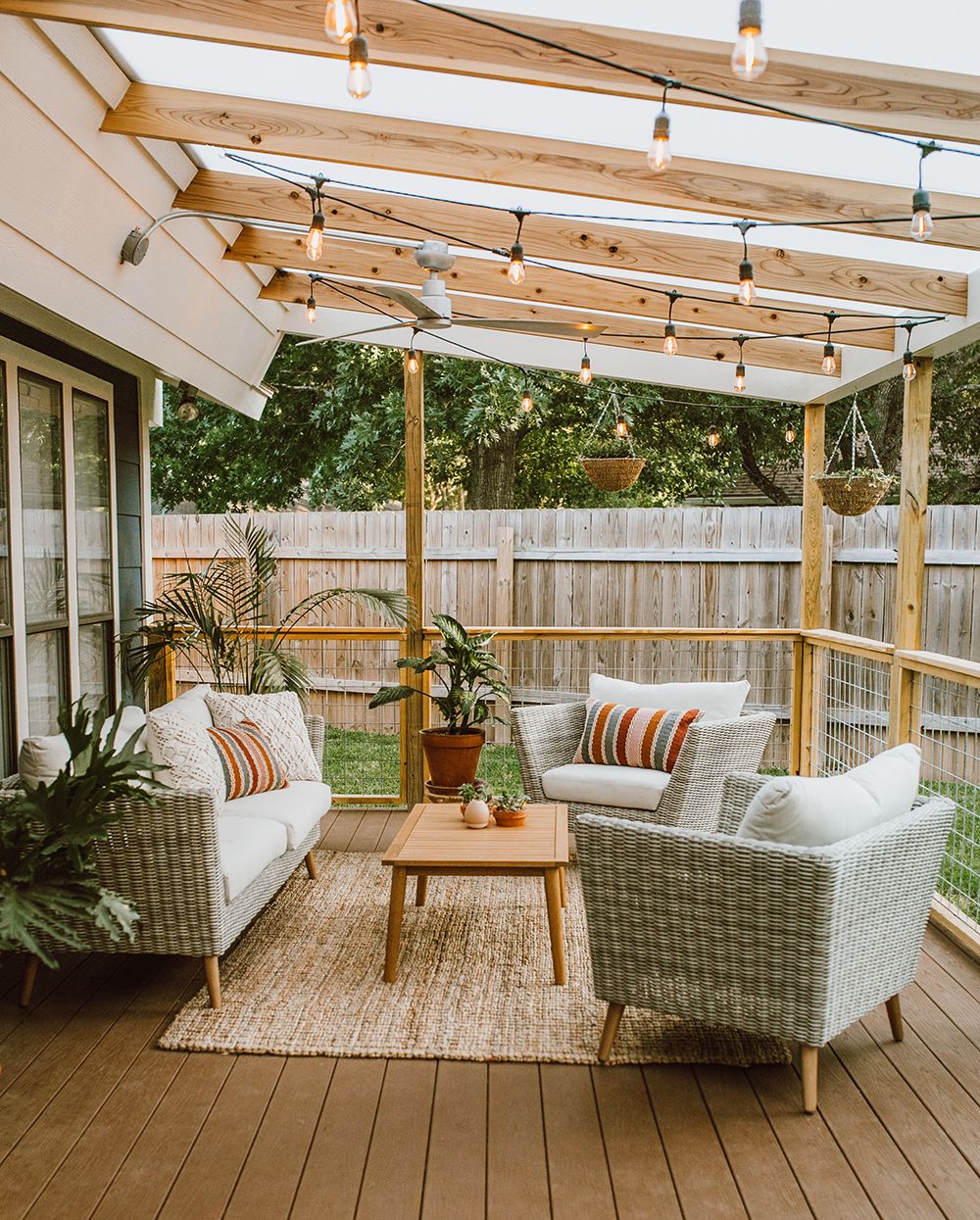
Functions: Dining, Lounging, BBQ, and All-Purpose Layouts
Dining layouts need predictable clearances around chairs and safe distances from heat sources. Lounge layouts benefit from softer lighting and side screening options. BBQ zones need ventilation thinking if roofs are solid or mostly enclosed.
All-purpose layouts trade specialisation for flexibility. They work best when storage and multipurpose furniture prevent the patio from becoming a junk magnet between uses.
Lighting Integration: Strings, Spots, and Linear Details
Layer lighting rather than relying on one harsh source. Combine ambient wash, task lighting over preparation zones, and accent lighting that defines the pergola structure itself. Dimmable circuits improve evening comfort dramatically.
If you use festoon strings, plan attachment points and cable routes during structure design so you are not drilling ad hoc holes later that compromise weathering or coatings.
Flooring Underfoot: Pavers, Tiles, Concrete, and Timber Transitions
Each surface has trade-offs for heat, slip resistance, stain resistance, and joint maintenance. Concrete and large-format pavers often suit heavy tables. Smaller pavers can flex visually but add joint lines that interact with chair legs.
If you transition to timber decking at a step, think about trip safety and how water moves across the change in level during storms.
Furniture Sizing According to Covered Area
Measure twice before buying outdoor suites. Covered patios feel smaller once furniture arrives because chair pull-out zones consume more area than people estimate. Leave generous circulation near doors and barbecues even if it means downsizing the table slightly.
Consider storage for cushions if your pergola roof is open or partially open. Humidity under cover can still affect fabrics if airflow is poor.
Heating Options for Year-Round Use
Radiant electric heaters mounted under beams can extend shoulder-season comfort. Gas heaters require clearance and ventilation thinking. Any heat source should be selected and installed with manufacturer guidance and professional installation where required.
Heating works best when paired with wind control, even if that is only partial screening. Heat drifting away in a breeze is a common reason owners feel their heater underperforms.
Decision Summary: Planning a Pergola Patio That Performs
Treat paving and pergola as one system: falls, posts, gutters, lighting, and furniture zones on one plan. Decide coverage extent based on use and interior light impacts. Choose materials for both appearance and wet-weather behaviour.
When you are ready to price the work, request a detailed scope that includes drainage intent and anchoring assumptions so quotes remain comparable.
Sydney Climate: Sun, Storms, and How Patios Behave Under Cover
Sydney summers reward patios that manage heat reflection and airflow together. Hard paving can store heat, so pergola coverage that only blocks direct sun may still leave you with an uncomfortably warm microclimate unless you plan cross-ventilation and roof type carefully.
Sudden storms also test drainage quickly. A pergola roof can concentrate runoff at post bases or drip lines that were never stressed when the patio was open sky. That is another reason integrated gutter planning matters as much as beam size.
If you live closer to the coast, salt mist and wind-driven rain can increase maintenance on exposed hardware and some paving joint materials. Selecting finishes that tolerate periodic washing without staining helps long-term appearance.
Walk the patio during and after heavy rain before finalising roof edges and gutter discharge points.
Long-Term Care for the Combined Patio and Pergola System
Paving joints may need occasional re-sanding or sealing depending on product type, while pergola gutters need clearing like any roof edge. If you install screens, expect leaf accumulation at track ends unless you maintain a simple seasonal routine.
Outdoor kitchens under pergolas add grease and moisture loads that interact with paving sealers and coatings. Plan cleaning access and avoid detailing that traps grime in corners you cannot reach with normal tools.
A combined system ages better when one party owns the whole weathering story. Fragmented responsibility between a paver and a pergola installer can create gaps at the drip line. Seek coordinated documentation for interfaces where water leaves the roof and meets the patio.
If you plan upgrades later, such as ceiling fans or heaters, ask your builder to pre-think fixing points and cable routes so future additions do not compromise waterproofing or structural assumptions.
Key Takeaways
- A pergola patio is a pairing: stable paving plus defined overhead shelter.
- Retrofits must assess drainage, slab condition, and anchoring before posts are fixed.
- Integrated new-build planning yields cleaner gutters, lighting, and sight lines.
- Partial cover often beats full cover on large patios with multiple uses.
- Furniture circulation and lighting layers make or break daily usability.
Frequently Asked Questions
Ready for your pergola project?
Get a free quote and practical guidance from experienced pergola builders serving Sydney.
Get a free quoteRelated Posts