
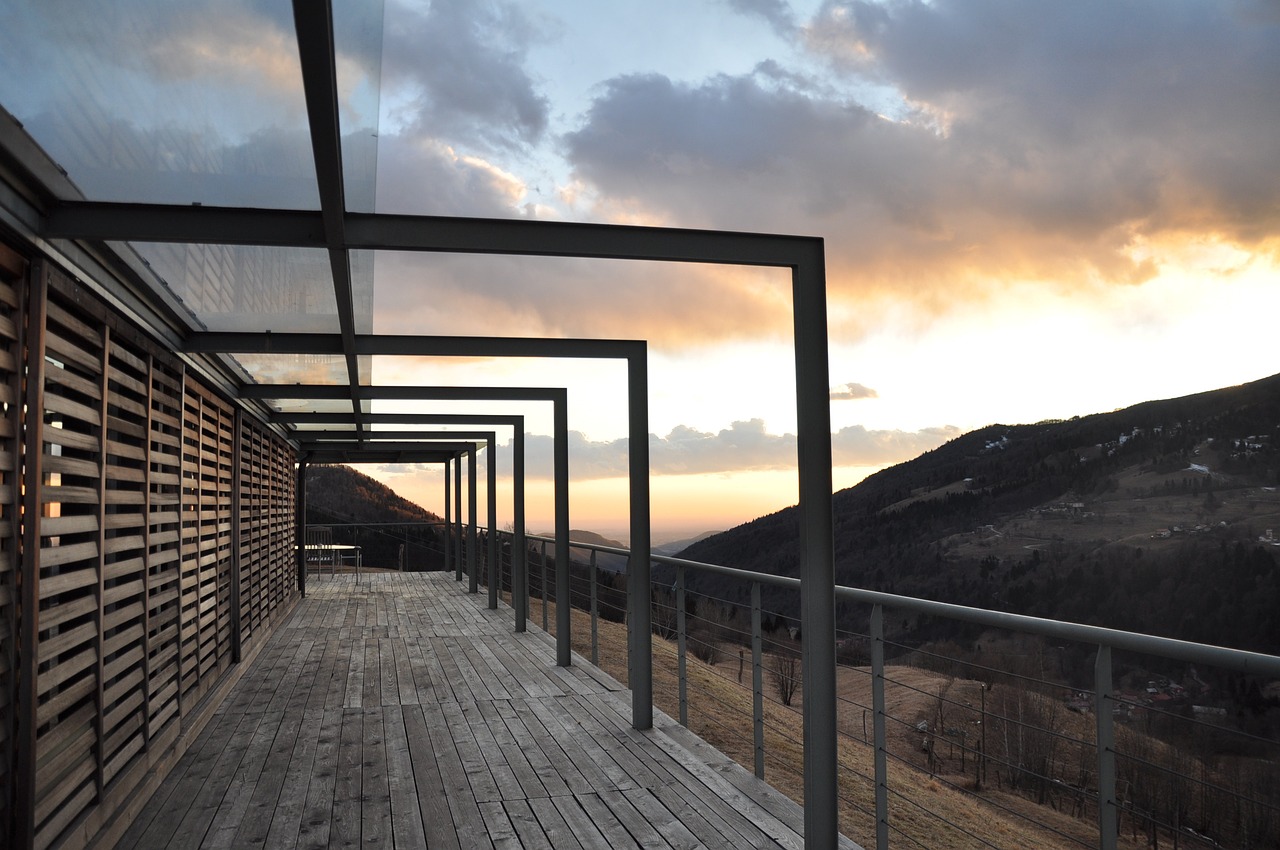
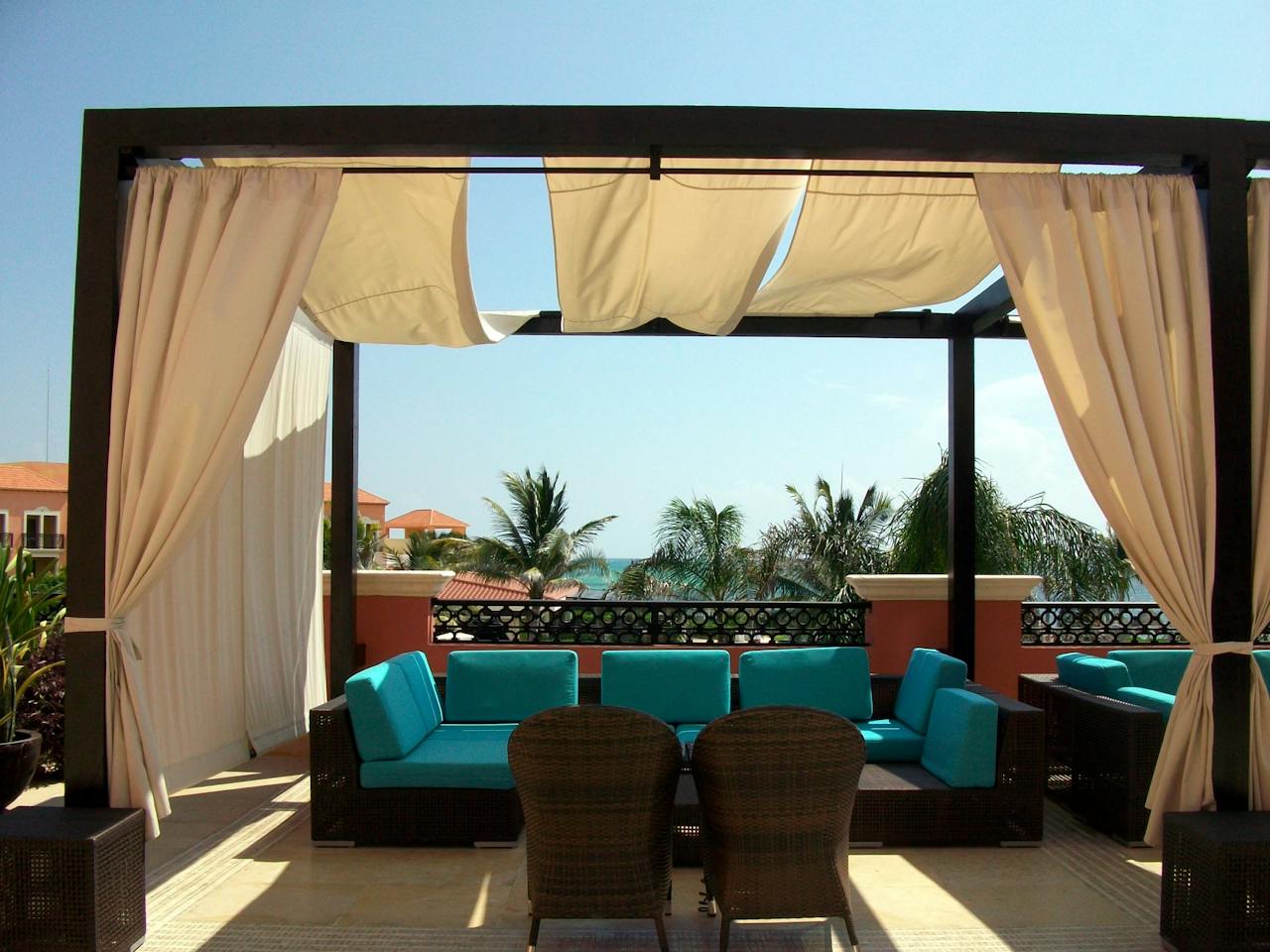
Decks and pergolas are one of the most recognisable outdoor pairings in Australian residential design because they solve two problems at once: elevated, furniture-friendly flooring and defined overhead shelter. Unlike a pergola over a concrete patio, a deck introduces timber movement, moisture behaviour, and load paths that pergola posts must respect. This guide explains how to integrate the pair structurally and visually, how to choose materials that age together gracefully, and which mistakes show up repeatedly on elevated decks where wind exposure and drainage details matter more than homeowners expect at sketch stage.
Why Deck Plus Pergola Is a Classic Australian Combination
Decks raise living slightly above garden level, improving views, separating muddy shoes from interior floors, and creating a platform that feels like a stage for outdoor life. Pergolas give that platform a ceiling logic: shade, rain response, lighting attachment, and sometimes fans or heaters.
Together they read as an outdoor room with a clear floor and roof, which is easier for people to furnish mentally than an open lawn area. That clarity increases real usage, which is the best measure of design success.
Functional Advantages Beyond Looks
A pergola can reduce UV wear on deck boards and finishes by cutting direct exposure during peak hours. It can also make outdoor cooking more practical by sheltering preparation zones from light rain.
On elevated decks, pergolas can provide psychological enclosure without full walls, improving comfort in breezy coastal suburbs where wind chill affects how long people sit outside.
Decking Materials and How They Pair With Pergola Frames
Traditional hardwood decking offers natural grain variation and can look superb with timber-look aluminium or stained timber posts if maintenance budgets align. Composite decking reduces oiling cycles and can pair well with powder-coated aluminium pergolas for a contemporary mixed-material palette.
Treated pine can be cost-effective but requires realistic maintenance expectations, especially in high sun or near-splash environments. The pergola material should be chosen knowing how often you will oil or clean the deck beneath it.
- Hardwood: premium feel, periodic oiling, strong character.
- Composite: lower oiling burden, manufacturer-specific cleaning rules.
- Treated pine: economical entry, disciplined maintenance for appearance.
Structural Anchoring: Posts on the Deck vs Ground-Anchored Frames
Some pergolas bear through the deck to footings below, reducing point loads on joists. Others rely on engineered point loads on the deck structure itself. Both can work when designed, but guessing is not acceptable on elevated platforms.
Ground-anchored posts beside the deck can reduce deck load complexity but may consume circulation width. The right approach depends on joist layout, bearer depth, stair positions, and whether you can tolerate posts at the deck perimeter.
Do not improvise post bases on elevated decks without engineering input appropriate to your structure.
Existing Deck Constraints: Condition, Capacity, and Fastener Corrosion
Older decks may have decayed joist ends, corroded fixings, or insufficient structure for added uplift loads from a roofed pergola. A retrofit should begin with honest condition assessment, not with cosmetic resurfacing only.
If the deck needs renewal, sequencing matters. Sometimes replacing decking and upgrading structure before pergola installation saves rework compared with bolting a pergola onto a deck you plan to rip out within two years.
Aesthetic Integration: Match, Contrast, and Tone Control
Matching tones can feel calm and unified: warm deck with warm timber-look posts and restrained metal accents. Contrast can feel high-design: pale deck boards with charcoal aluminium frame and crisp white ceiling liner if you choose an insulated roof.
Avoid unintentional third colours that appear because hardware, posts, and decking each come from different families. A small palette decision table prevents rainbow outcomes.
Drainage and Drip Lines Onto Timber and Composite Surfaces
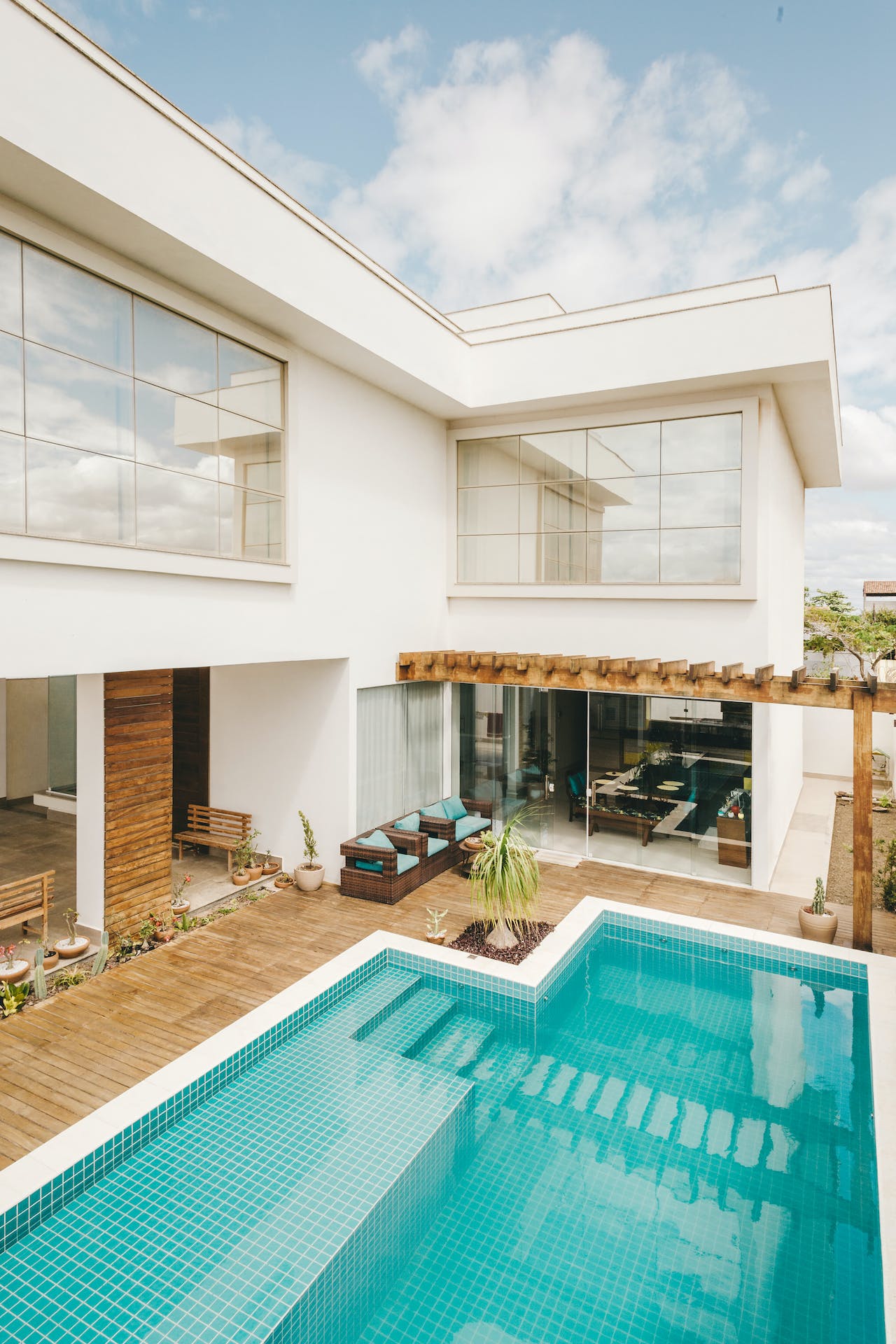
Roofed pergolas change where water arrives on the deck. Gutters should prevent concentrated drips at post bases that accelerate local staining or slipperiness. If gutters discharge onto the deck surface, you need a controlled path to drainage points that does not undermine flashing at the house threshold.
Open beam pergolas change drip patterns too, just more subtly, especially if you add polycarbonate infill later without thinking about drip lines at board joints.
Elevated Decks: Views, Privacy, and Wind
Elevation improves outlook but can increase perceived exposure. Pergola roofs combined with partial screens can create a pocket of calm without fully closing the view corridor. Think about neighbour sight lines from upper levels as well as your own ground-level comfort.
Wind uplift matters more on exposed upper decks. Roof systems and fixings should be selected with exposure class in mind, not only suburban default packages.
Furniture Planning Under a Deck Pergola
Measure chair pull-out zones carefully on decks because guardrail requirements already consume width on elevated platforms. Avoid locating posts in the middle of circulation diamonds where people naturally walk with trays or platters.
If you want modular lounges, confirm module sizes against post spacing before fabrication locks in.
Lighting Integration With Decks
Deck lights and pergola lights should be planned as one scene. Step lights improve safety on stairs while overhead warm wash improves dining ambience. Avoid placing bright downlights where they blind seated guests.
Cable routing on decks should be accessible for service without tearing boards randomly later.
Common Mistakes: Posts, Materials, and Proportions
Underspecified post anchoring is the classic failure mode. Another is choosing a heavy insulated roof on a deck never designed for the extra demand without upgrade. Material incompatibility shows up as clashing undertones between cool grey decking and warm timber posts with no bridging element.
Proportional mistakes include pergola height that feels too low on an elevated deck, making adults instinctively duck even when head clearance technically passes rules.
Combined Maintenance Thinking
Deck oiling schedules and pergola cleaning schedules should live on the same homeowner checklist. If gutters clog, deck boards below can stain. If deck boards cup or twist, door thresholds and pergola posts may misalign visually.
Treat the deck and pergola as one exterior system for long-term care, not two unrelated trades that happen to meet.
Decision Summary
Start from structure truth, then move to aesthetics. Choose anchoring strategy with engineering appropriate to height and roof type. Pick a disciplined palette across decking, posts, and ceiling finishes. Plan drainage and lighting as one layout.
When you brief installers, include photos of the deck underside if accessible, not only top surface glamour shots.
Sydney Coastal and Wind-Exposed Decks: Extra Caution
Elevated decks near the coast see salt mist, stronger gusts, and more rapid corrosion on fixings than sheltered inland courtyards. That does not forbid pergolas; it means hardware grades, coating systems, and inspection intervals should be chosen conservatively.
If your deck feels windy even without a roof, adding a solid roof can change turbulence patterns. Sometimes partial screens or careful roof height tuning improves comfort more than fully enclosing sides.
Discuss wind ratings and engineering assumptions explicitly with your builder rather than treating wind as an implied checkbox. Exposed decks are where generic kits most often underperform without local detailing experience.
Outdoor Kitchens and BBQ Zones on Decked Pergolas
Cooking zones add heat, grease, and splash loads that interact with timber finishes and deck drainage. Plan bench depth, appliance clearances, and roof height together so smoke management and head clearance remain comfortable.
If you intend a plumbed sink or fridge, coordinate services early because chasing pipes after decking and pergola linings are complete is expensive. Structural posts should not land where services need to run unless planned.
Non-combustible zones around barbecues matter for safety and for long-term appearance. Even when rules allow certain proximities, sensible standoff from combustible surfaces reduces maintenance anxiety.
Staged Build Paths: Deck First vs Pergola First
Some projects stage deck replacement before pergola installation to avoid damaging new finishes during heavy structural work. Others coordinate one programme if both systems are designed as a single delivery team.
Staging decisions should be driven by access, weather protection during construction, and where rework risk is highest. If your deck is borderline structurally, it is usually cheaper to remediate before adding roof loads rather than retrofitting later under a finished pergola.
Key Takeaways
- Decks provide a usable floor plane; pergolas provide shelter, lighting logic, and spatial definition.
- Anchoring strategy must respect joist capacity and uplift exposure, especially on elevated decks.
- Material pairing works best when tones are chosen intentionally, not accidentally.
- Drainage and drip lines change once a roof exists; plan gutters to protect boards and feet.
- Maintenance is combined: decking care and pergola care should be one routine checklist.
Frequently Asked Questions
Ready for your pergola project?
Get a free quote and practical guidance from experienced pergola builders serving Sydney.
Get a free quote