Choosing pergola timber is a technical decision with long-term consequences. Species, durability class, treatment method, and location exposure all influence how the structure performs over time. This guide compares the most relevant timber pathways for Australian projects so you can choose with confidence.
Hardwood vs Softwood: Which Is Better?
Hardwoods generally offer higher natural density and durability. Softwoods can be cost-effective and practical when treatment and detailing are done correctly. The better option depends on project priorities: budget, lifespan, finish expectations, and maintenance tolerance.
Neither category is automatically right for every project.
Popular Timber Species in Australia
Frequently considered options include Merbau, Spotted Gum, Blackbutt, Ironbark, and Jarrah. Each has different visual tone, working characteristics, and durability profile.
Selection should balance aesthetics with structural and environmental suitability.
- Merbau: rich tone, commonly used in outdoor applications
- Spotted Gum: popular hardwood with strong visual character
- Blackbutt: versatile appearance and broad use
- Ironbark: high density and robust reputation
- Jarrah: distinctive color and durability appeal
When Treated Pine Makes Sense
Treated pine can be a practical option for budget-conscious builds and painted finishes. It may suit projects where cost control is important and maintenance planning is realistic.
Limitations can include movement behavior and aesthetic preferences depending on design intent.
Treated pine can be strong value when specification and finishing strategy are aligned.
Understanding Durability Classes
Durability class systems help indicate expected performance in external conditions. Class interpretation should be used alongside treatment method, detailing quality, and exposure context.
Do not select timber on class number alone; project context still matters.
- Class 1 and 2 often preferred for higher durability expectations
- Class 3 and 4 may suit selected applications with proper treatment
- Design detailing can significantly influence real performance
Termites, Fungi, and Coastal Exposure
Biological and environmental risks vary by location. Termite-prone regions and moisture-heavy conditions require stronger preventive strategy in both species and treatment selection.
Coastal exposure can intensify wear factors, so timber pathways should be chosen conservatively in high-risk settings.
Relative Cost Comparison (Without False Precision)
In broad terms, treated pine often sits in lower-cost pathways, while many premium hardwoods can be higher-cost options. Cost should be assessed with lifecycle performance and maintenance in mind, not just upfront price.
A lower initial cost can become less attractive if maintenance demand is high for the intended exposure.
Sustainability and Certified Timber
Sustainability-conscious projects can prioritize certified timber pathways such as FSC or PEFC options where available. Local sourcing can also support reduced transport impact and better specification transparency.
Certification does not remove the need for durability and maintenance planning; it complements it.
Choosing Timber by Location: Inland vs Coastal
Inland projects may support a wider range of timber options depending on microclimate. Coastal and high-exposure zones usually benefit from more conservative species and treatment choices.
A project-specific recommendation from qualified local professionals is often the safest route.
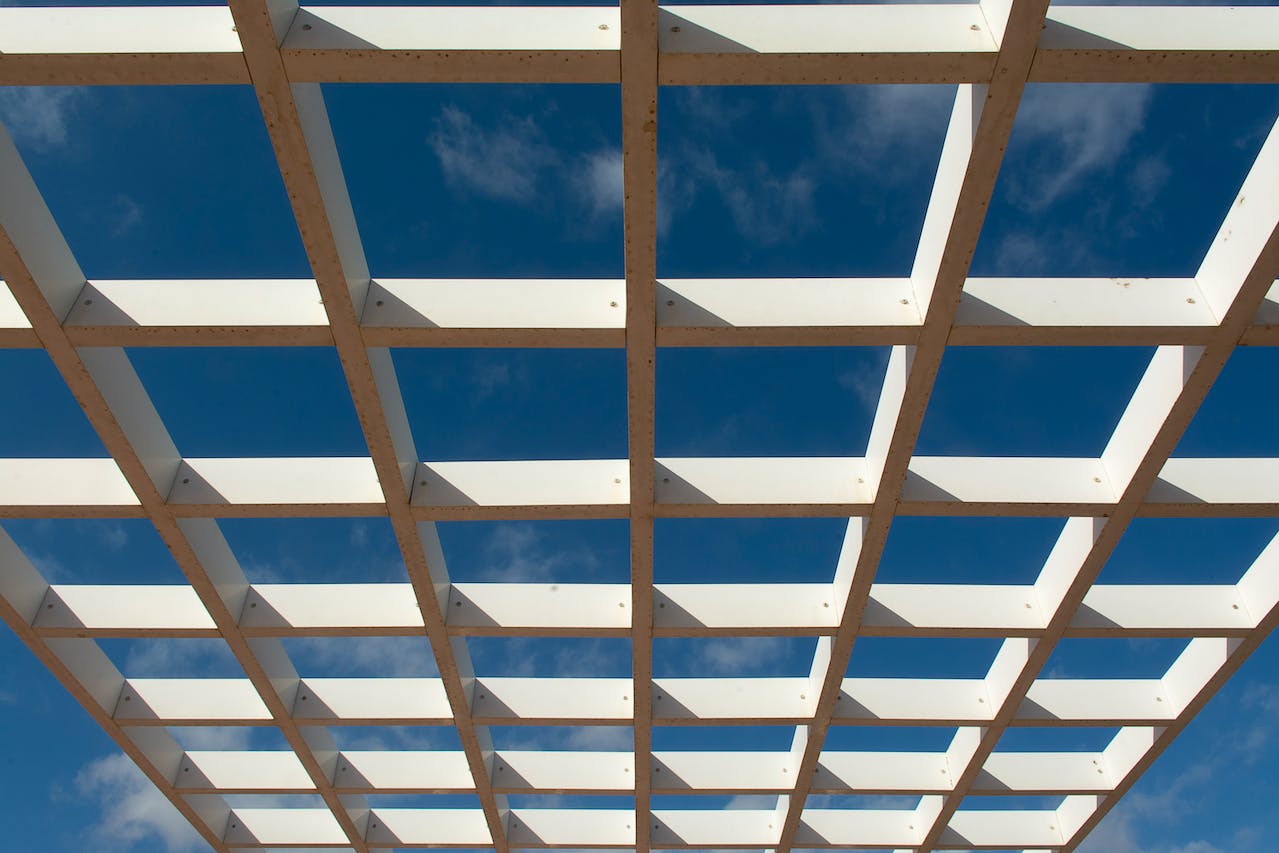
Local exposure risks vary by suburb and site. Confirm final timber specification with qualified experts.
Key Takeaways
- Timber choice should be based on exposure, maintenance, and design goals.
- Hardwood vs softwood is a project-fit decision, not a universal ranking.
- Durability class helps, but detailing and treatment remain critical.
- Coastal and termite-risk contexts need conservative specification strategy.
- Certified timber pathways can support sustainability goals without compromising quality.
Frequently Asked Questions
Ready for your pergola project?
Get a free quote and practical guidance from experienced pergola builders serving Sydney.
Get a free quote